

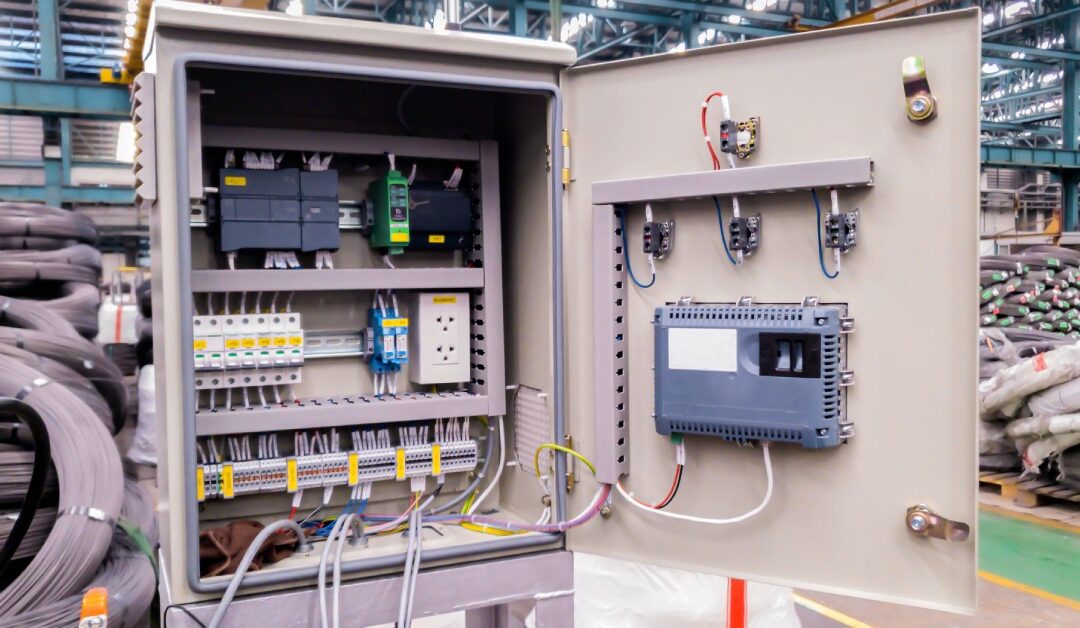
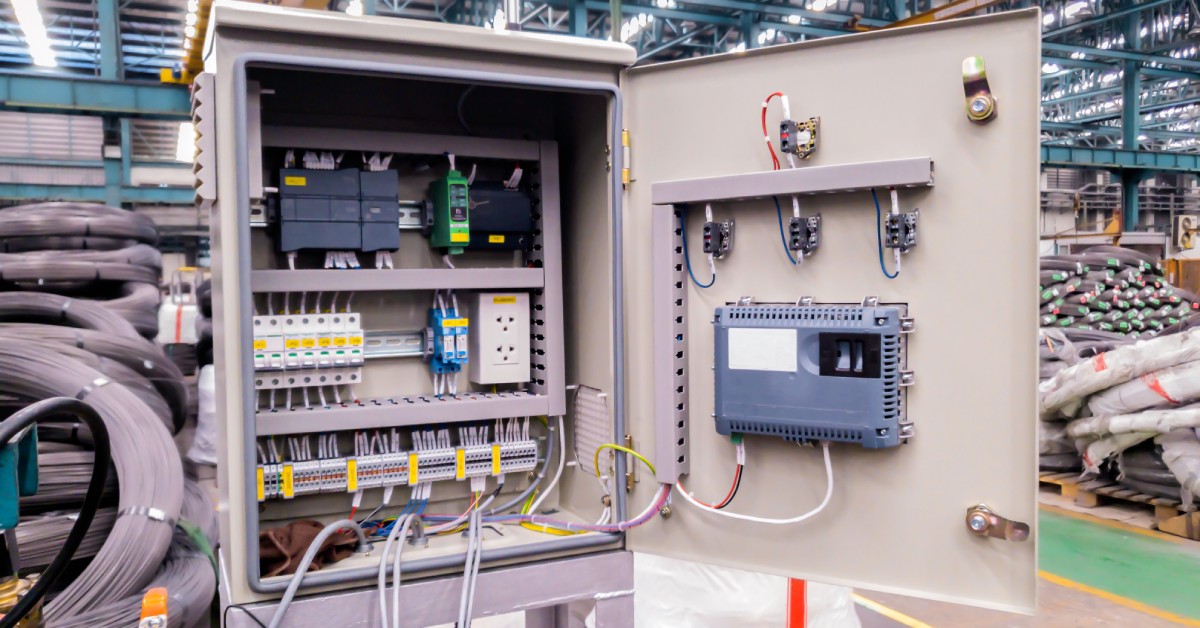
Industrial control panels form the central nervous system for modern manufacturing and automation processes. They house complex electrical components that manage everything from simple motor functions to sophisticated robotic operations. For this reason, the safety and reliability of these panels are paramount concerns for every facility.
A failure can lead to equipment damage, expensive downtime, and serious safety hazards for personnel. To address these concerns, the industry established comprehensive standards to promote uniform quality and safety in panel construction.
Underwriters Laboratories, a global safety certification company, developed the UL 508A standard specifically for industrial control panels. These requirements provide a framework for panel builders to follow during the design and assembly process. This complete guide to UL 508A control panel standards covers a vast range of topics, from component selection and wiring methods to enclosure specifications and circuit protection.
The Purpose of UL 508A Certification
UL 508A certification establishes a nationally recognized standard for the safety and construction of industrial control panels. It provides a detailed roadmap for manufacturers to produce safe, reliable, and consistent equipment. This standard helps ensure panels protect operators from electrical shock, fire, and other potential hazards.
Adherence to this standard simplifies the inspection and approval process for electrical installations. Inspectors recognize the UL mark as a symbol of compliance with established safety protocols. This acceptance facilitates smoother project timelines and reduces potential delays associated with non-compliant equipment.
Scope of the UL 508A Standard
The standard applies to industrial control panels intended for general industrial use in ordinary locations. It covers panels that operate at voltages of 1000 volts or less for equipment control. These panels often manage motors, heaters, lighting, and other common industrial machinery loads.
However, the standard does not cover all types of control panels or hazardous locations. Panels for elevators, cranes, and other specialized machinery, with their own unique requirements, fall outside it. Equipment for classified hazardous environments requires evaluation under different, more stringent UL standards.
Key Component Requirements
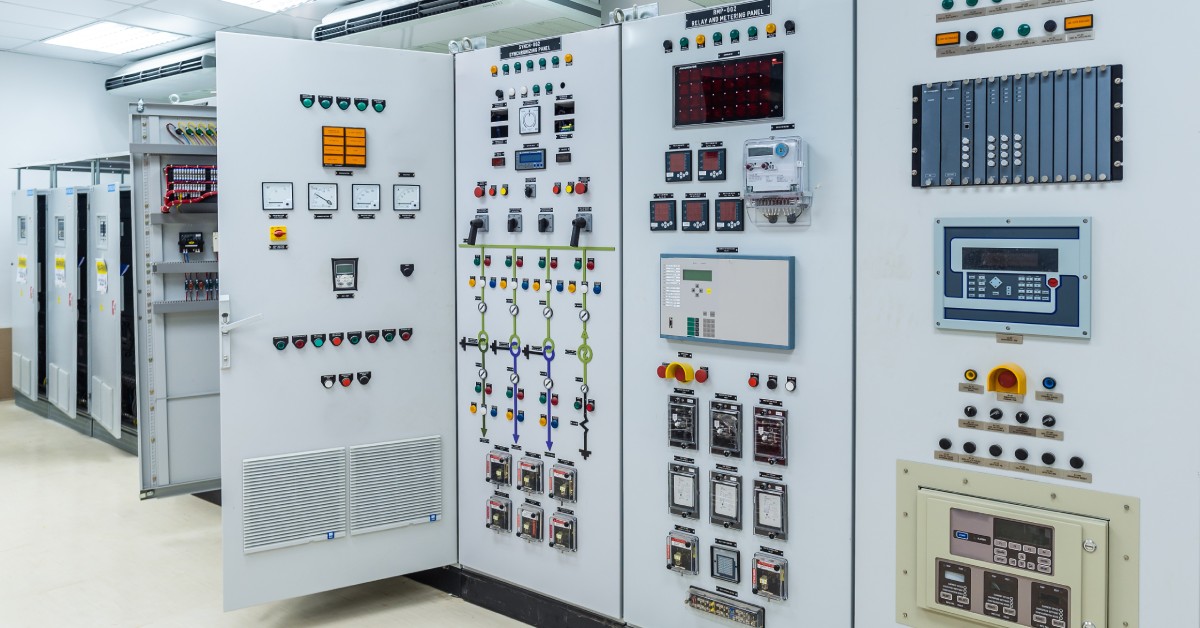
UL 508A dictates the use of UL-recognized or listed components within the control panel. This requirement ensures every part meets its own specific safety and performance criteria. Components include circuit breakers, power supplies, terminal blocks, and even the wire itself.
Panel builders must select components with appropriate ratings for the specific application demands. This includes considerations for voltage, current, and short-circuit current ratings (SCCR). Correct component selection is a fundamental step toward a safe and compliant panel assembly.
Proper Enclosure Specifications
The control panel enclosure serves as the first line of defense against environmental factors. It also protects personnel from contact with live electrical parts inside the cabinet. UL 508A provides specific requirements for enclosure types based on the installation environment.
These enclosures receive a NEMA or UL Type rating that defines their protection level. For example, a Type 12 enclosure protects against dust, dirt, and dripping non-corrosive liquids. The standard ensures that the chosen enclosure is suitable for the panel’s intended operating location.
Wiring and Spacing Regulations
Proper wiring practices are essential for the safe and reliable operation of any control panel. UL 508A outlines strict rules for wire sizing, color codes, and termination techniques. These rules help prevent overheating, short circuits, and other dangerous electrical faults.
The standard also defines minimum spacing requirements between live parts of different polarities. It also specifies the space between live parts and grounded surfaces for operator safety. Adequate separation, or creepage and clearance, helps to prevent electrical arc flash events.
Circuit Protection Fundamentals
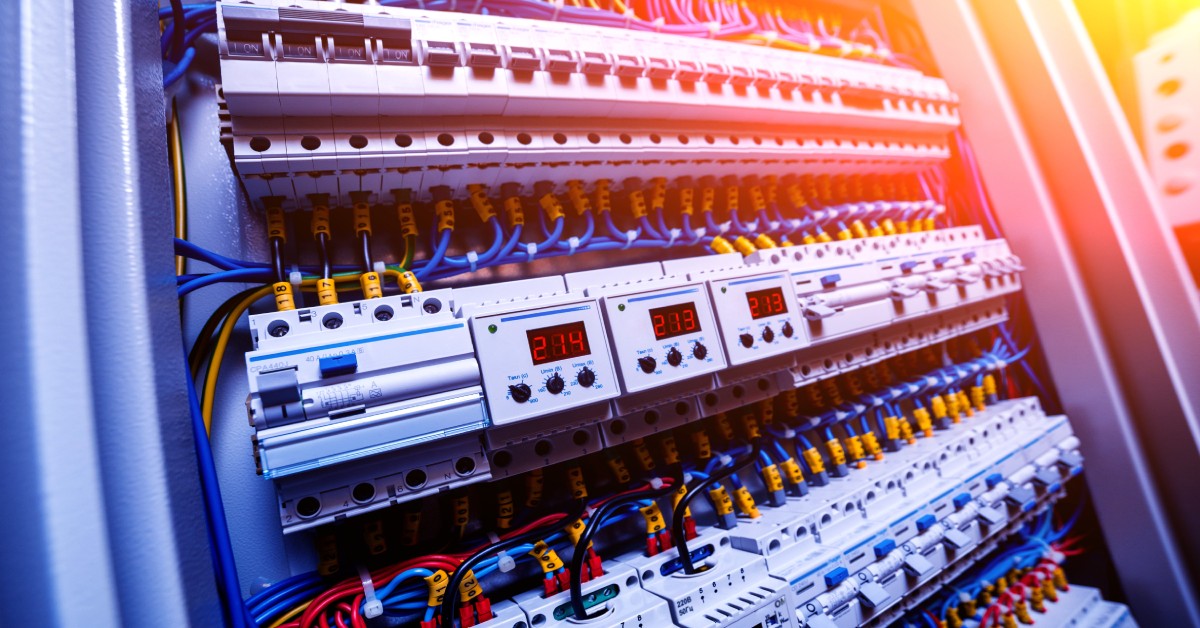
Overcurrent protection is a core safety element within any industrial control panel design. UL 508A mandates the use of properly sized fuses or circuit breakers for all circuits. This protection safeguards downstream components and conductors from damage caused by excessive current.
The standard also requires a clear method to calculate the panel’s overall SCCR. This rating indicates the maximum fault current the panel can safely withstand and interrupt. Investing in reliable electrical engineering solutions will ensure your panel meets its required SCCR.
Motor and Heater Control Rules
Control panels frequently manage motor loads, which have unique electrical protection needs. UL 508A specifies requirements for motor branch circuit protection and motor overload protection. These rules prevent motor damage from overcurrents and sustained overload conditions during operation.
Similarly, circuits that supply power to heaters must have appropriate protection and controls. The standard ensures that heater circuits include properly rated conductors and overcurrent devices. This attention to detail prevents fires and equipment failure related to resistive heating loads.
Control Circuit Requirements
Control circuits operate at lower voltages and manage the control panel’s logic. They activate contractors, relays, and other devices that control the main power circuits. UL 508A provides specific rules for the protection of these important control circuits.
The standard requires protection for the secondary side of control power transformers. It also outlines methods for proper grounding and conductor sizing within the control circuits. These measures enhance the reliability and safety of the panel’s core operational logic.
Labeling and Documentation
Clear and accurate labeling is a non-negotiable requirement under UL 508A. Every panel must have a permanent nameplate with essential information about its electrical ratings. This includes the voltage, frequency, full load amps, and the overall SCCR value.
In addition to the exterior label, internal components and wires require clear identification. This practice simplifies maintenance, troubleshooting, and future modifications for qualified service personnel. Complete documentation, such as electrical schematics, is also a part of a compliant system.
The UL Certification Process
To obtain UL 508A certification, a panel shop must enroll in the UL Industrial Control Panel Shop Program. This program allows manufacturers to self-certify panels that meet the UL 508A standard. It requires extensive training and a deep understanding of all the applicable requirements.
UL conducts regular, unannounced inspections of the panel shop to ensure continued compliance. These audits verify that the shop maintains proper procedures, uses correct components, and follows the standard. This ongoing oversight upholds the integrity and value of the UL certification mark.
The UL 508A control panel standards serve as a vital benchmark for safety and quality in industrial automation. It provides a comprehensive framework that governs every aspect of a control panel’s design and construction, from component choice to final documentation.
Facilities that specify UL 508A certified panels make a sound decision that supports operational safety, simplifies regulatory compliance, and promotes equipment longevity. This commitment to a recognized standard demonstrates a proactive approach to risk management. It ultimately fosters a safer and more efficient work environment for everyone involved.