

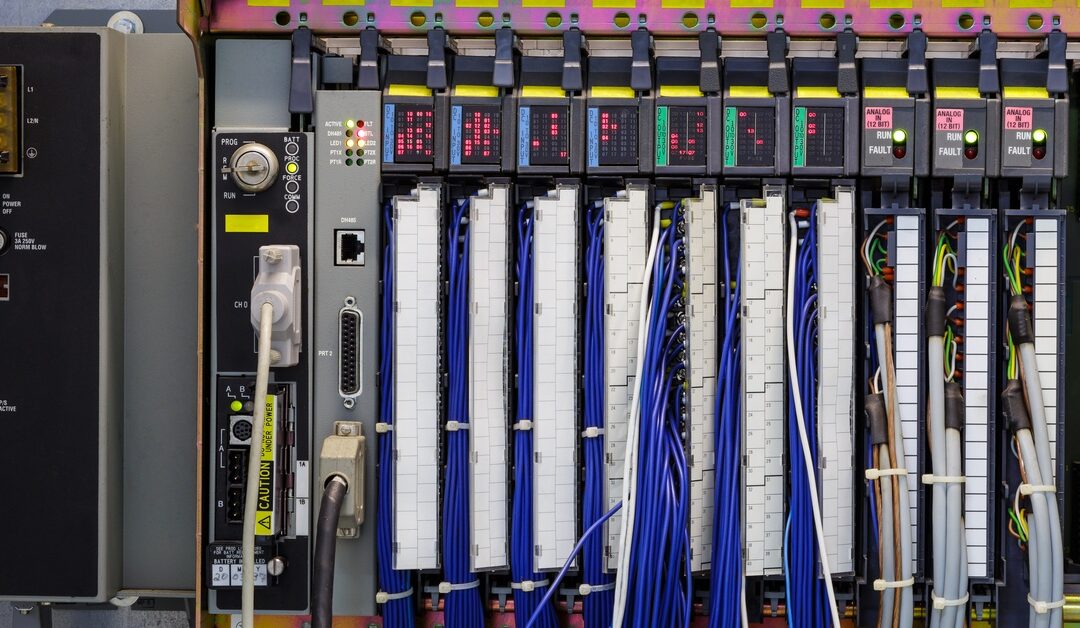
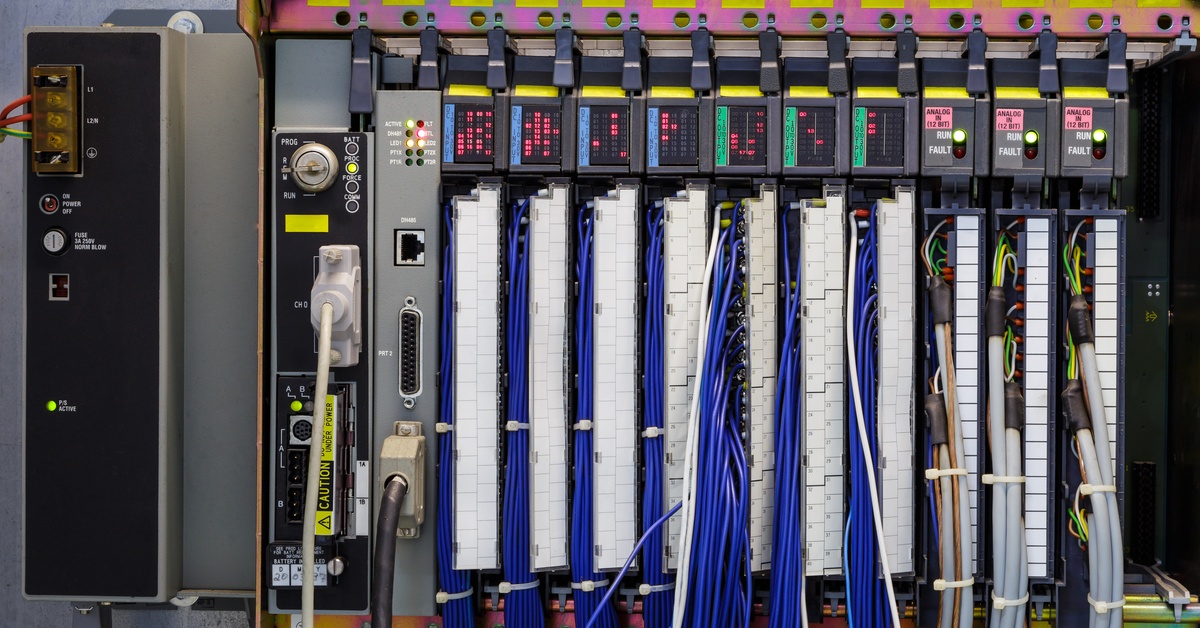
Industrial facilities depend on programmable logic controller systems to manage equipment, coordinate processes, and maintain consistent production output across complex operations. As technology evolves, older PLC platforms often struggle to meet modern performance expectations, cybersecurity standards, and integration requirements. Companies that rely on aging control hardware face increased risk of downtime, limited data access, and difficulty sourcing replacement components.
An upgrade initiative offers more than a hardware replacement; it creates an opportunity to modernize architecture, improve diagnostics, and enhance communication across the plant network. Newer PLC platforms support advanced data exchange, improved processing speed, and compatibility with contemporary supervisory control systems. This complete guide to upgrading your PLC system will help strengthen operational transparency and make informed decisions based on accurate, real-time information.
Recognizing the Need to Upgrade
Legacy PLC systems can become unsupported as manufacturers discontinue spare parts and software updates over time, leading to a greater risk of unplanned failures. Assessing equipment performance trends helps determine whether existing hardware or software limits production capability. A planned upgrade initiative ensures machines continue to function efficiently and align with current and future operational demands.
Obsolete control architecture can restrict advanced diagnostics and data collection needed for modern operations. Without modern connectivity, older PLCs struggle to interface with newer SCADA or industrial networks, reducing process visibility. Identifying these gaps early helps businesses maintain a competitive edge and operational resilience.
Assessing Current PLC Architecture
Start with a detailed audit of your PLC network, I/O devices, and associated HMIs to map the entire system topology. Document each controller’s manufacturer, firmware version, and communication protocol in your records for comparison with modern alternatives. This thorough assessment prepares you for an effective upgrade roadmap that aligns hardware, software, and control logic priorities.
Analyzing existing program logic and control sequences reveals dependencies and risk factors tied to legacy configurations. Consider whether you can modularize or simplify your process control logic to reduce future maintenance burdens. Early identification of vulnerabilities and inefficiencies ultimately reduces downtime during the upgrade transition.
Selecting Compatible Hardware Platforms
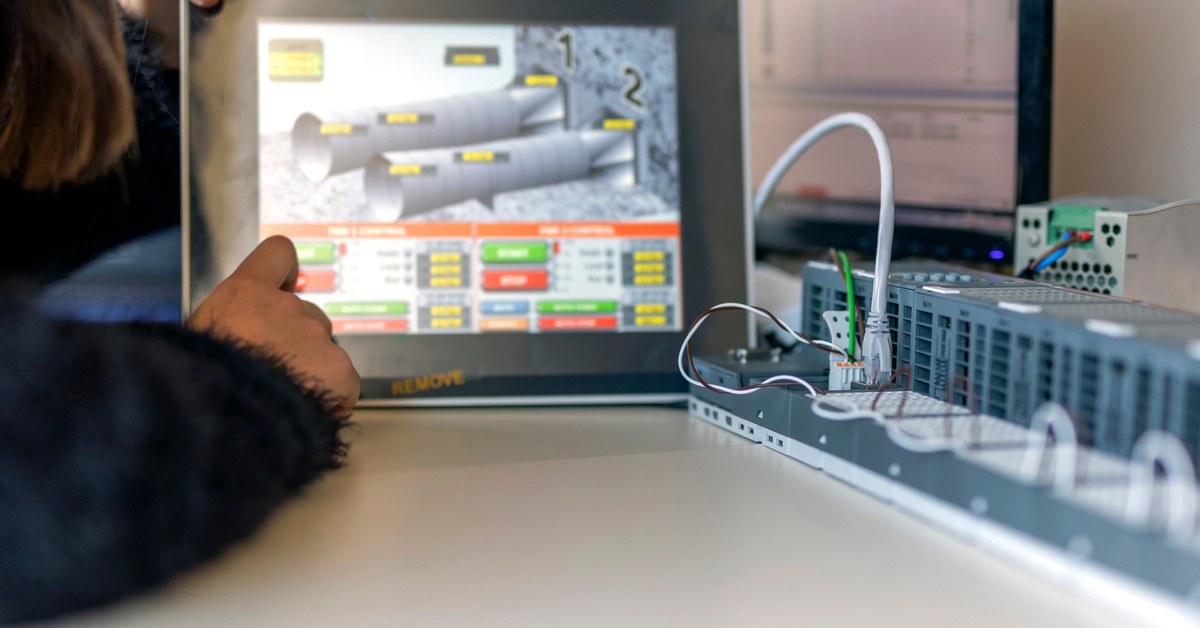
Choosing the right PLC platform requires compatibility with your existing sensors, actuators, and network protocols while planning for future expansion. Many industrial automation integrators offer expertise across major PLC brands, including Allen Bradley, Siemens, Mitsubishi, Schneider Electric, and Omron.
Evaluate processing power, I/O capacity, and communication modules needed for new requirements before procurement. A platform that supports modern industrial communication standards ensures smoother integration with HMIs, SCADA, and data historians. Future-proofing hardware selection avoids recurring upgrade cycles and reduces long-term capital expense.
Creating a Transition Strategy
A well-defined transition plan sets expectations for downtime, sequencing, and rollback options in case of implementation issues. Mapping each stage of the upgrade ensures that field devices, PLC cores, and network infrastructure change systematically without jeopardizing production. Clear documentation and version control minimize confusion during execution across teams and shifts.
Include thorough testing procedures for each upgrade phase to validate functionality before moving to the next step. Prioritize critical sections of the control logic that have the greatest impact on safety or production continuity. Contingency plans prepare your team to respond to unforeseen challenges quickly and effectively.
Integrating Advanced Features
Modern PLC platforms offer enhanced connectivity, diagnostics, and remote access that unlock real-time operational insights. These systems support seamless communication with SCADA systems, delivering visual process data and historical trends. Integrating these advanced features provides teams with tools to monitor performance and reduce response times to equipment anomalies.
When upgrading, include plans for improved human-machine interface (HMI) layouts to simplify operator interaction and reduce error rates. Enhanced feedback systems provide clearer alarm status, process steps, and productivity metrics across the plant floor. Strategic integration elevates overall system intelligence and prepares the infrastructure for future automation improvements.
Emphasizing Electrical System Design

Effective power distribution, adequate grounding, and controlled noise envelopes support reliable PLC performance across industrial facilities. Working with professionals in electrical system design is the best way to ensure a thorough review and solution that complements upgraded control networks. Professional electrical engineers bring a perspective on safety, compliance, and long-term maintenance that protects your investment.
A strong electrical design ties control cabinets, PLC racks, and field devices into a cohesive system with minimized interference and optimized layout. Reviews also consider emergency power and backup strategies that maintain uptime during power anomalies. Relying on qualified expertise reduces the risk of design flaws that can cause intermittent faults later.
Minimizing Production Impact
To maintain production schedules, schedule PLC replacement windows during planned maintenance or low-output shifts. Break the transition into smaller parts that allow partial operation of unaffected systems during upgrade execution. These steps help prevent a full shutdown and preserve revenue streams.
Simulations and dry runs before live deployment ensure newer logic performs as intended under real-world conditions. A staging environment mimics plant operations and validates control logic responses without halting production. Clear communication with operations teams ensures everyone understands timing and expected effects before execution.
Testing and Validation
Thorough pre-deployment testing catches configuration errors, unexpected interactions, and logic faults before they affect the live process. Emulate field device behavior, network messages, and failure modes that might occur during real operations. This mitigates risks and helps refine system performance benchmarks before go-live.
Field acceptance tests confirm that inputs, outputs, and feedback loops operate in unison with updated hardware and software components. Validate redundancy by testing failover scenarios where available to ensure continuity under stress. Detailed proof of performance gives stakeholders confidence in the new setup.
Training and Documentation
Updated system documentation should include wiring diagrams, ladder logic annotations, and network maps that reflect the new PLC environment. Empower your maintenance and control engineers with comprehensive textbooks and workflow descriptions that simplify future troubleshooting. Proper documentation creates a foundation for sustainable operation and knowledge transfer.
Invest in operator and technician training to familiarize teams with new interfaces, alarm structures, and process behavior. Hands-on sessions unlock a deeper understanding of system logic and respond swiftly during abnormal conditions. Skilled employees reduce dependence on external support and accelerate internal problem resolution.
Post-Upgrade Support and Maintenance
After upgrade completion, implement a maintenance plan that schedules periodic firmware updates, backups, and preventive checks. Watch for subtle drift in calibration or performance trends that may demand further refinement. Proactive maintenance sustains system reliability and prevents escalation to critical failures.
Partner with electrical and automation service providers who understand your unique system configuration and business objectives. Ongoing support contracts help ensure that expert resources are available when needed most. Regular review sessions improve uptime and optimize system performance across the plant.
A successful PLC system upgrade enhances industrial performance, reliability, and future scalability while reducing downtime. Careful assessment, strategic planning, and methodical execution provide clear milestones and measurable outcomes. Integrating modern hardware, advanced software features, and comprehensive documentation empowers your organization to maintain operational excellence and adapt to evolving technology demands.
If you’d like more specialized support or tailored solutions, consulting with experienced automation and electrical service teams can help propel your upgrade initiative.