

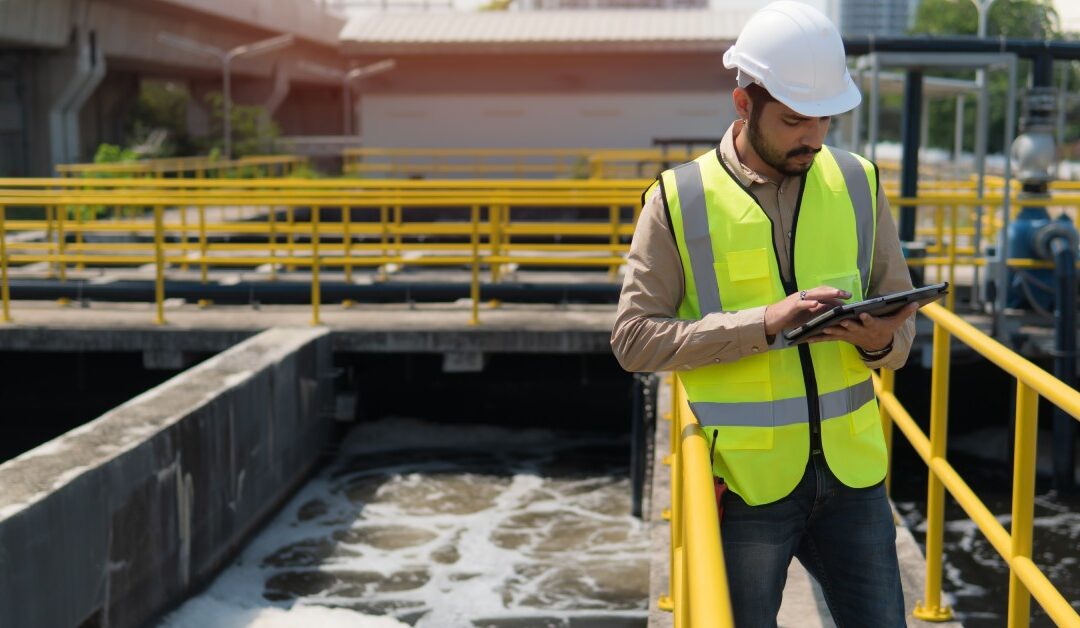
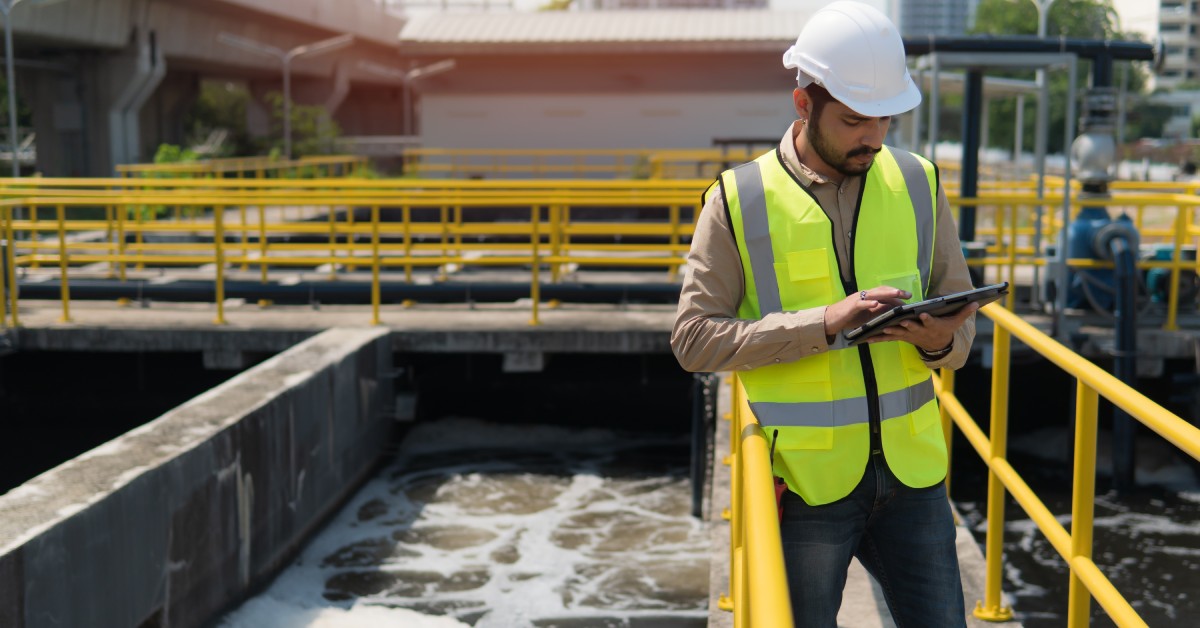
Automation reshapes how industries manage resources, and water treatment stands at the forefront of this shift. Manual processes often served us well in the past, but the demands of modern infrastructure require new solutions. Populations grow, regulations tighten, and resource scarcity becomes a reality that every facility must face head-on.
The old ways simply cannot keep up with the speed and precision required for safe water distribution today. Plant managers now look toward automated systems to bridge the gap between human capability and operational necessity. These systems offer a level of control that was once impossible to achieve with standard manual oversight.
Automated controls mean installing new machines to create smarter management. The benefits of using automation in your water treatment plant create a safer, more efficient environment for everyone involved in the process. The future of water treatment relies on embracing technology that enhances reliability and sustainability.
Significant Reduction in Energy Costs
Pumps and motors consume vast amounts of power, often running when they do not need to operate. Automated systems regulate these devices based on real-time demand rather than a static, inefficient schedule. This precise control leads to substantial savings on monthly utility bills for the entire facility.
Energy waste hurts the budget and the environment, making conservation a priority for modern plants. Smart sensors detect when demand drops, signaling equipment to slow down or shut off completely. This approach extends the life of machinery while keeping operational expenses as low as possible.
Improved Water Quality and Consistency
Public health relies on the purity of water, and automation removes the guesswork from chemical dosing. Sensors measure exact levels of contaminants and adjust treatment solutions to match the specific needs instantly. This precision guarantees that the output always meets strict safety regulations set by government agencies.
Manual testing can lead to variances that put the community at risk if not caught quickly. Automated monitoring provides a continuous stream of data, flagging potential issues before they leave the plant. Residents trust that the water from their taps remains safe, clean, and consistent every single day.
Enhanced Operational Efficiency and Speed
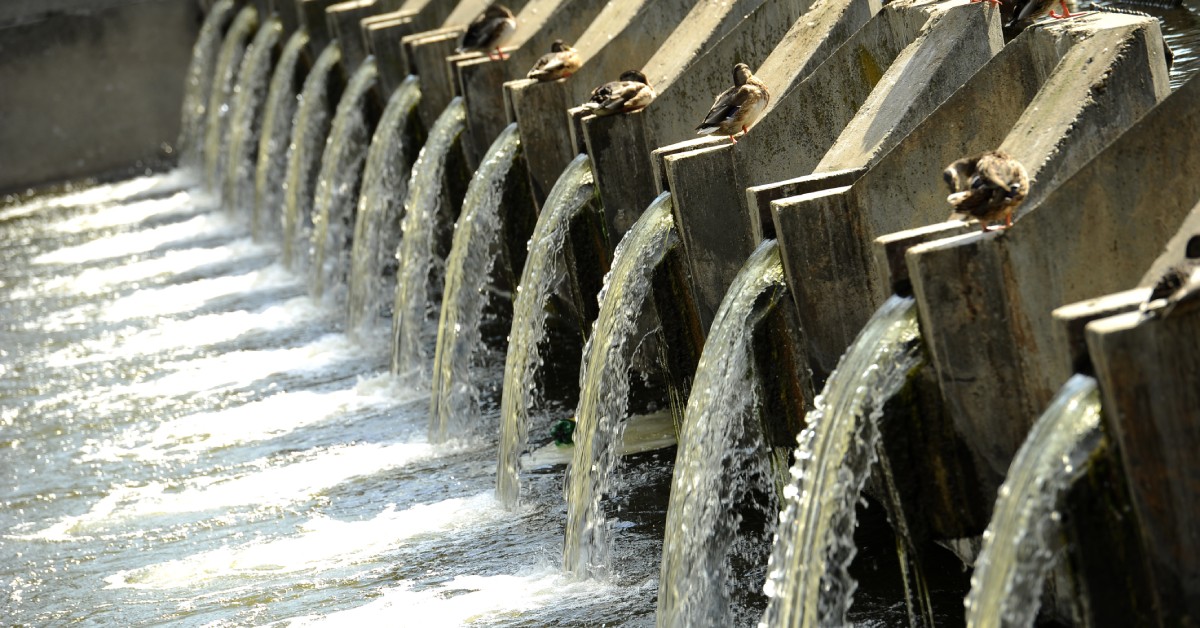
Machines process data faster than humans, which allows for immediate adjustments to complex treatment processes. Systems react instantly to changes in water quality, ensuring that standards always remain high. This speed eliminates the lag time that often occurs when operators must manually check various gauges.
Consistent performance defines a successful plant, and automated controls deliver this consistency day in and day out. Removing human error from routine tasks ensures that operations run smoothly without unexpected interruptions or mistakes. Working with a professional company in industrial controls and automation will help you implement the best solutions.
Optimized Chemical Usage and Safety
Overuse of chemicals wastes money, while underuse fails to treat the water effectively for safe consumption. Smart dosing systems calculate the exact amount required based on current flow and water composition data. This balance ensures efficient use of resources and protects the facility from unnecessary chemical procurement costs.
Handling dangerous substances poses a risk to staff, but automation minimizes direct human contact. Machines handle the mixing and distribution, keeping operators safe from hazardous spills or harmful fume exposure. A safer workplace boosts morale and reduces the liability associated with preventable industrial accidents.
Real-Time Data Collection and Analysis
Managers need accurate information to make sound decisions, and automation provides it continuously. Historical trends reveal patterns that help predict future needs, allowing for better long-term strategic planning. Access to instant reports transforms how a team approaches daily challenges and complex operational problems.
Guesswork disappears when you have concrete numbers to support every choice made within the treatment facility. Operators track performance metrics on a central dashboard, identifying areas for improvement with minimal effort. This data-driven approach fosters a culture of continuous improvement and operational excellence across the board.
Predictive Maintenance and Equipment Longevity
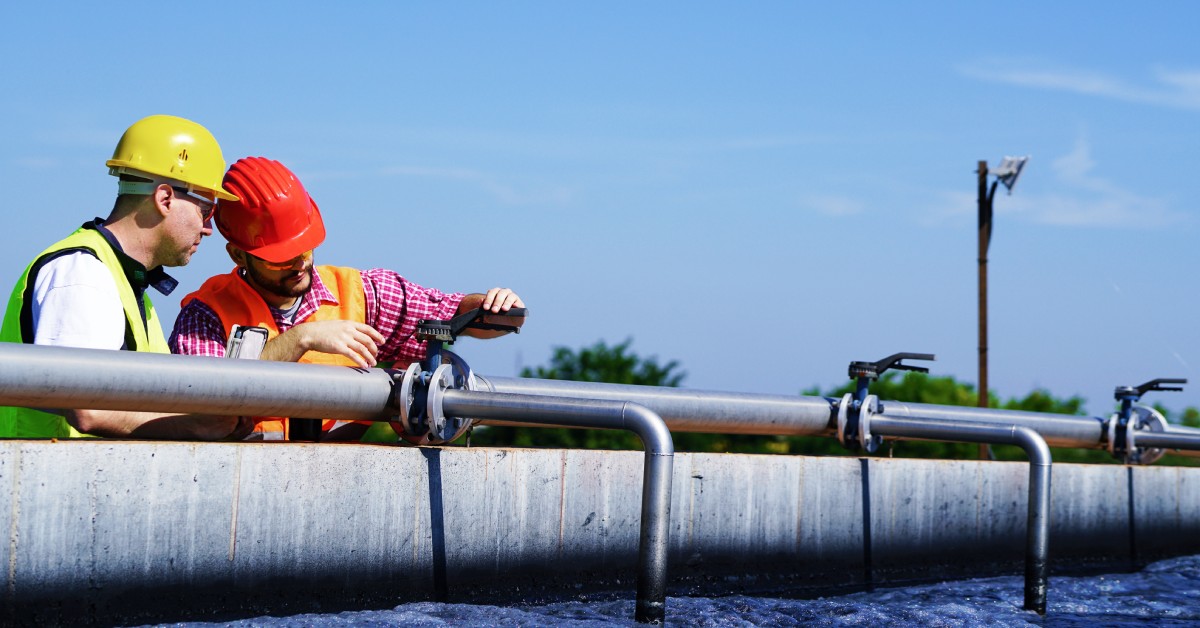
Machines break down when pushed too hard, but smart systems monitor wear and tear in real time. Sensors detect vibrations or heat spikes that indicate a part might fail soon if not addressed. Teams schedule repairs before a breakdown occurs, preventing costly downtime and emergency service calls.
Equipment lasts longer when it operates within optimal parameters rather than being pushed to its absolute limit. Automated controls ensure that motors and pumps run efficiently, reducing the strain on mechanical components. This care extends the lifespan of expensive assets, saving the facility money on premature replacements.
Enhanced Regulatory Compliance and Reporting
Government agencies demand detailed water-quality records, and automation generates these reports accurately and automatically. Manual logging often leads to errors or data gaps, which can result in heavy fines. Digital records provide an audit trail that proves compliance with all local and federal standards.
Audits become less stressful when you have instant access to organized, verifiable data from the system. Inspectors appreciate the transparency and accuracy that automated reporting brings to the compliance process. This reliability builds trust with regulatory bodies and protects the facility from legal complications.
Remote Monitoring and System Access
Plant managers cannot always be on-site, but automation allows them to check status remotely. Secure apps on phones or tablets provide a window into operations from anywhere in the world. This connectivity ensures that critical alarms reach the right people immediately, regardless of their location.
Teams respond faster to emergencies when they receive instant alerts directly to their mobile devices. Remote access allows operators to adjust settings or shut down sections without having to drive to the plant. This is one of the main benefits of using automation in your water treatment plant because it improves work-life balance for staff while maintaining high standards of operational oversight.
Scalability for Future Growth
Communities grow and change, and water treatment plants must adapt to meet these new demands. Automated systems allow for easy expansion, adding new modules or sensors without a complete overhaul. This flexibility ensures that the facility remains relevant and capable as the population increases.
Future-proofing infrastructure saves money in the long run, as upgrades integrate smoothly with existing controls. Managers plan for the next decade with confidence, knowing their system can handle increased loads. This adaptability represents a smart investment in the long-term health and viability of the plant.
The shift toward automation in water treatment represents a necessary evolution for modern infrastructure and public safety. Facilities that embrace these technologies gain a competitive edge through reduced costs and improved operational reliability. The ability to monitor systems in real time transforms how managers approach daily challenges and long-term planning.
This transition creates a safer workplace where dangerous chemicals and heavy machinery pose fewer risks to staff. Automation does not replace the human element; it enhances it, allowing people to work smarter. The future of water treatment is bright for those who choose to innovate and adapt.