



Effective electrical system design ensures safety, reliability, and efficiency across industrial plants while supporting stable operation under varied load demand. A well-planned system reduces downtime risk and supports consistent output across processes that depend on dependable power distribution networks. Engineers must align technical decisions with plant needs, future expansion plans, and strict safety codes that govern industrial electrical infrastructure.
A thoughtful approach considers equipment selection, layout strategy, and protection methods that prevent faults and reduce system stress during operation. Each design decision affects cost, system resilience, and operational clarity for maintenance teams who rely on structured documentation. These best practices for designing a plant’s electrical system can improve functionality and efficiency with clear principles and disciplined execution.
Load Assessment and Demand Forecast
Accurate load assessment forms the foundation of every electrical system design and determines capacity needs for present operation and future expansion. Engineers must evaluate all equipment loads and potential system growth across each section of the plant. This process ensures adequate sizing of transformers, feeders, and protection devices without excess cost or system inefficiency.
Forecast methods must include realistic assumptions about production changes, equipment upgrades, and seasonal variation that influence total electrical demand over time. A conservative yet balanced estimate prevents overload risks and reduces unnecessary investment in oversized infrastructure that remains underutilized. Reliable data collection from plant processes supports informed decisions that align electrical capacity with operational requirements.
System Layout and Distribution Strategy
A clear system layout improves power distribution efficiency and reduces energy loss across the plant while supporting organized equipment placement and access. Engineers must define distribution paths that minimize voltage drop and allow direct routes between supply points and major loads. Logical arrangement also supports easier maintenance and faster fault isolation when issues occur.
Distribution strategy must consider centralized versus decentralized systems based on plant size, load density, and operational complexity across departments. Each approach offers advantages that influence cable length, redundancy options, and system resilience under fault conditions. Proper planning creates a balanced system that meets performance goals without excessive complexity or cost burden.
Equipment Selection and Compatibility
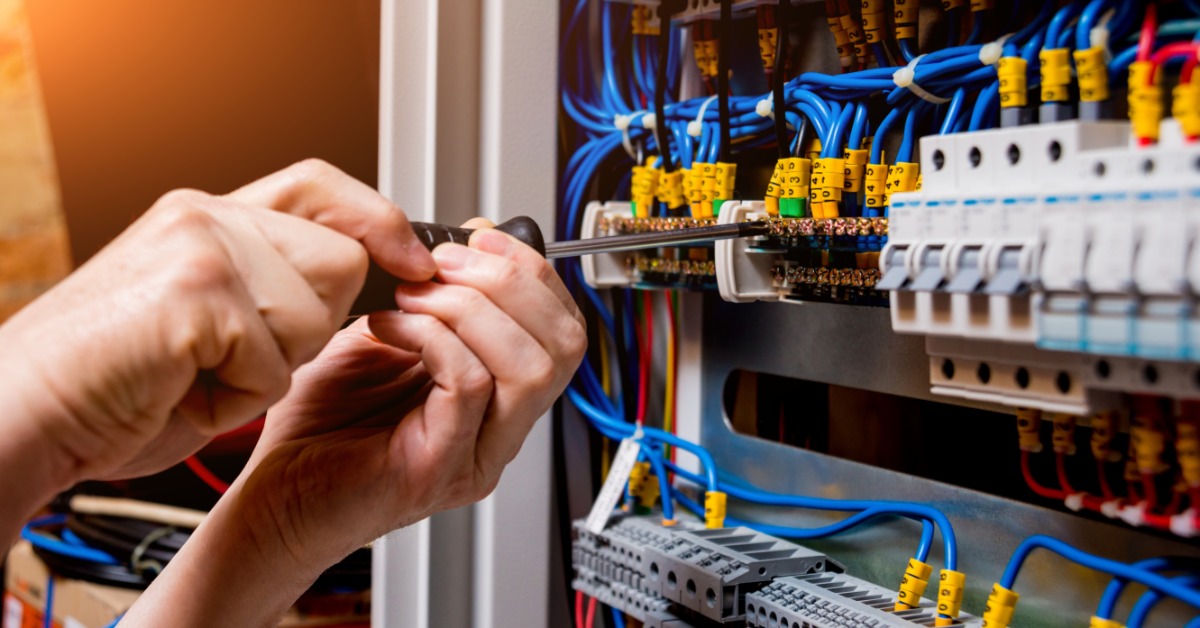
Equipment selection affects system performance, safety, and reliability across all plant operations that depend on a stable electrical supply. Engineers must ensure compatibility between transformers and control systems to prevent mismatch issues that compromise efficiency or safety. Standardization of components also simplifies maintenance and spare part management across the facility.
High-quality equipment with proven performance records reduces failure risk and supports consistent operation under demanding industrial conditions. Selection criteria must include environmental conditions, load characteristics, and expected service life across each installed component. Careful evaluation ensures that every element functions as part of a unified system rather than isolated components.
Protection Systems and Fault Management
Protection systems safeguard equipment and personnel from electrical faults that can cause severe damage or operational disruption within the plant. Engineers must design coordinated protection schemes that isolate faults quickly while maintaining service continuity across unaffected sections. Proper coordination between devices ensures that only the faulted section disconnects without unnecessary system shutdown.
Fault analysis helps determine appropriate protection settings and identifies potential weak points within the system that require additional safeguards or redundancy. This analysis supports informed decisions that enhance system resilience under abnormal conditions. Reliable protection design reduces risk and strengthens confidence in overall system performance.
Grounding and Safety Measures
Grounding systems provide a safe path for fault current and protect equipment and personnel from dangerous voltage levels during fault events. Engineers must design grounding networks that meet safety standards and ensure consistent performance under all operating conditions. Proper grounding reduces shock risk and supports the stable operation of sensitive electrical equipment.
Safety measures must extend beyond grounding to include clear labeling, protective barriers, and access control that prevent accidental contact with energized components. Training and documentation also support safe operation and maintenance practices across the plant environment. A comprehensive safety approach protects people and preserves system integrity.
Energy Efficiency and Loss Reduction

Energy efficiency improves operational cost control and reduces environmental impact across industrial plants that consume large amounts of electrical power. Engineers must identify areas where energy loss occurs and implement solutions that improve system performance and reduce waste. Efficient design supports sustainability and aligns with organizational cost objectives.
Loss reduction strategies include proper conductor sizing, optimized transformer selection, and balanced load distribution across phases within the system. These measures improve power quality and reduce unnecessary heat generation within electrical components. A well-designed system delivers energy where needed without excessive loss or inefficiency.
Compliance with Standards and Regulations
Compliance with electrical standards ensures that system design meets legal requirements and aligns with established safety practices across industrial environments. Engineers must follow national and international codes that govern the installation, operation, and maintenance of electrical systems. Adherence to these standards protects the organization and its workforce.
Regulatory compliance also supports consistent design practices and simplifies inspection processes during project approval and operational audits. Clear documentation and verification demonstrate that the system meets all required criteria. This disciplined approach reduces legal risk and enhances overall system credibility.
Maintenance Access and System Documentation
Consistent maintenance is one of the best practices for designing a plant’s electrical system because it influences how easily technicians can service equipment and address issues without disrupting plant operations. Engineers must design layouts that allow safe and direct access to key components such as panels, transformers, and control systems. Accessible design reduces repair time and improves maintenance efficiency.
Comprehensive documentation supports maintenance teams with accurate information about system configuration, equipment specifications, and operational procedures across the plant. Clear records ensure that future modifications remain consistent with original design intent.
Professional Expertise and Continuous Improvement
Expert involvement ensures that electrical system design reflects best practices and incorporates advanced solutions that improve performance and reliability across industrial plants. Skilled engineers apply experience and technical knowledge to solve complex challenges that arise during design and implementation. Their insight enhances system quality and long-term value.
With professional electrical engineering solutions, you can achieve optimized system performance, improved safety standards, and efficient operation that supports plant goals and growth. Expert support ensures that every aspect of the system aligns with industry expectations and operational needs. Continuous improvement remains possible through the evaluation and refinement of system design.
Integration with Automation and Control Systems
Modern plants rely on automation systems that require seamless integration with electrical infrastructure to support efficient and precise control of operations. Engineers must ensure compatibility between power systems and control networks to maintain reliable communication and performance. Integration supports advanced monitoring and rapid response to operational changes.
Control systems benefit from stable power quality and consistent supply that prevent disruption in automated processes and data acquisition functions. Proper coordination between electrical and control design improves system effectiveness. This integration enables smarter operation and supports continuous improvement across plant performance.
A plant electrical system supports safe operation, reliable performance, and efficient energy use across all industrial processes that depend on consistent power. Each design element, from load assessment to system integration, contributes to overall effectiveness and sustainability.
Careful planning and disciplined execution create systems that meet present needs and future demands. A commitment to excellence ensures that electrical systems remain dependable assets within industrial environments.