
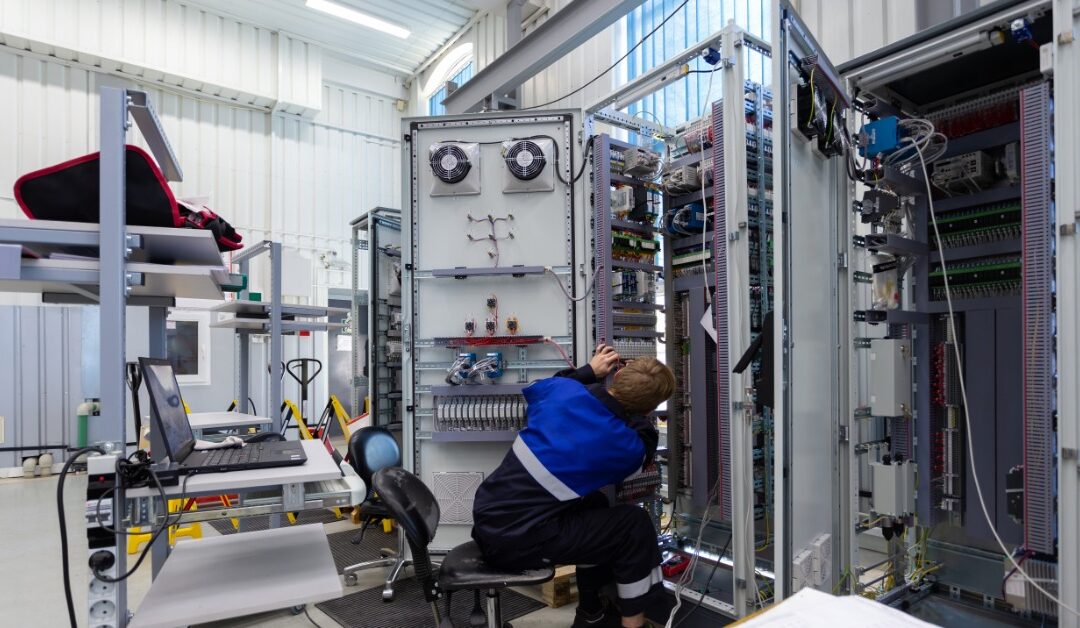
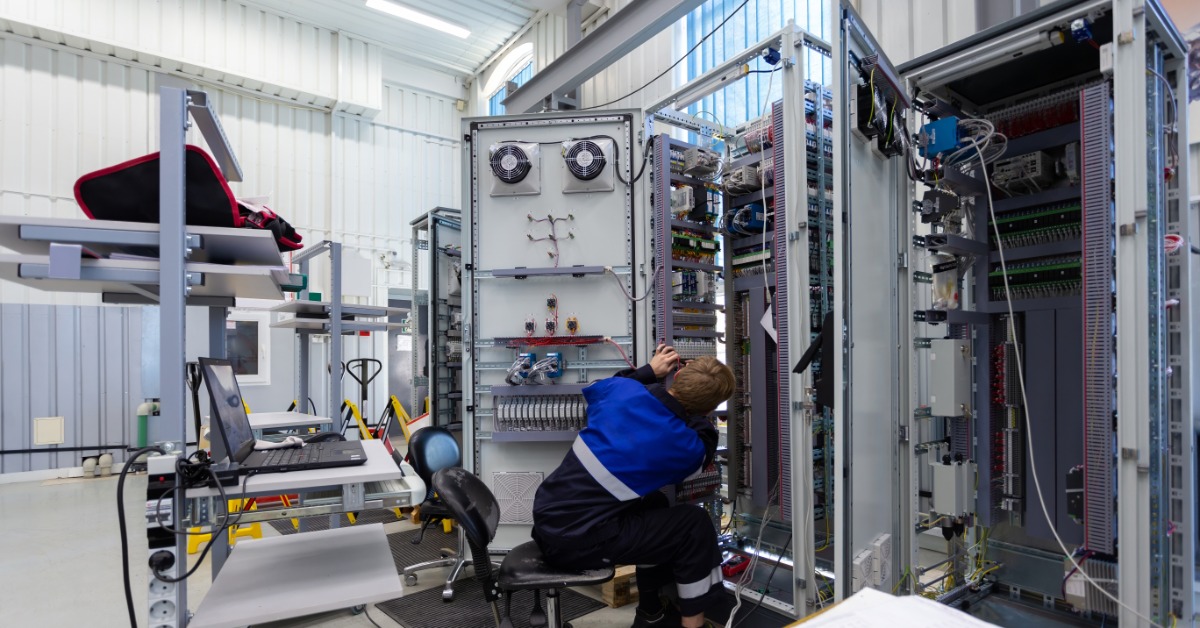
Electrical panels sit at the heart of many commercial and industrial power systems. Their internal design has a direct effect on how electricians access circuits and complete necessary service without added confusion. A clean layout also gives every device enough room to serve its intended purpose within a structured electrical environment.
Designing a safe and efficient electrical panel layout starts well before components enter the enclosure. Engineers must consider electrical demand, available space, equipment specifications, conductor paths, heat, and service access as one connected system rather than separate concerns. When these details support each other, the finished panel becomes easier to understand and far more practical for technicians throughout its service life.
Begin With a Clear Picture of Electrical Demand
Every panel needs a firm design foundation. Engineers must understand voltage requirements, expected loads, and equipment demands before they determine where individual components should sit. Accurate information prevents assumptions from shaping a layout that fails to reflect actual electrical conditions at the facility.
Site conditions deserve equal attention because the surrounding environment can influence enclosure size and internal arrangement. Dust and nearby equipment may affect decisions that seem minor during early design work. Address these factors from the start, and the panel can match electrical requirements and real site conditions.
Give Components Room to Function
A crowded enclosure creates problems that extend far beyond appearance. Breakers and other devices need adequate space around them for access and proper electrical connections. Engineers should respect manufacturer requirements rather than squeeze equipment together simply to reduce the overall enclosure size.
Extra room also gives electricians better access when a component needs attention. A technician should not have to remove unrelated equipment just to reach one terminal or inspect a connection hidden behind another device. Thoughtful spacing makes the entire enclosure feel intentional and keeps routine electrical work from becoming unnecessarily difficult.
Create a Natural Electrical Flow
A well-planned panel should feel easy to understand from the moment an electrician opens the enclosure. Clear component placement creates a natural electrical path and helps technicians follow each circuit without unnecessary confusion. A practical electrical flow should follow these specifications:
- Place incoming power components near the appropriate entry point.
- Keep related breakers, controls, and terminals close to one another.
- Provide direct conductor routes between connected electrical devices.
- Reduce unnecessary wire crossings throughout the enclosure.
- Separate unrelated circuits into clearly defined panel areas.
- Keep frequently accessed components easy to locate and reach.
- Match physical component positions with electrical drawings and labels.
Keep Conductor Paths Clean and Direct
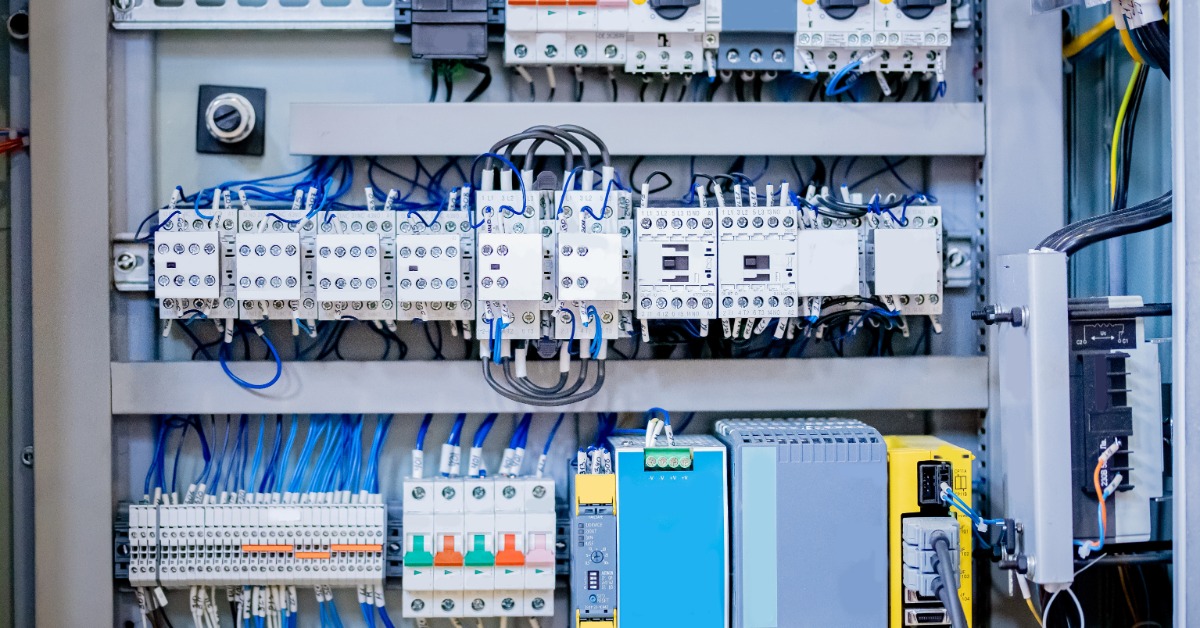
Conductors connect every part of the panel, but their routes should never feel random. Direct paths between breakers and connected devices make circuits easier to trace when technicians need to inspect electrical connections. Excess conductor length can create clutter and occupy valuable space that other panel components may need.
Wire ducts can help maintain structure without forcing conductors into cramped pathways. Their size should reflect expected conductor quantities and leave enough room for practical access when electrical changes become necessary later. Clean routes give the enclosure a professional appearance and help technicians understand circuit paths without unnecessary effort.
Separate Different Electrical Functions
Not every circuit belongs beside every other circuit. Power equipment and sensitive control components may require distinct areas within the enclosure to preserve proper separation and reduce unwanted electrical interference. Engineers should use applicable standards and equipment requirements to determine how much separation each section needs.
Clear boundaries also make the enclosure easier for technicians to understand during service. The right electrical engineering solutions can create sensible separation between electrical functions and provide a panel structure that supports safer access throughout routine maintenance. Each section then has a defined purpose rather than becoming part of one crowded collection of unrelated equipment.
Consider Heat Before It Becomes a Problem
Heat can quietly affect panel performance when designers overlook internal temperature conditions. Electrical devices release thermal energy during operation, and closely packed components can create areas where temperatures rise beyond desirable limits. Sensitive devices deserve careful placement away from major heat sources whenever equipment specifications or operating conditions require additional protection.
Enclosure dimensions also influence how heat behaves around electrical equipment. A larger cabinet may provide more internal space, but some applications can still require ventilation or other temperature control methods to maintain acceptable conditions. Thermal needs deserve attention during design rather than after technicians encounter heat problems at the completed installation.
Make Routine Service Less Difficult

Panels should support the people who will eventually work inside them. Controls and other service points need positions that technicians can reach without disturbing unrelated components or conductors. Easy access becomes especially valuable when electricians must inspect equipment or diagnose an unexpected electrical fault.
Tool access matters just as much as visual access. A terminal may appear easy to reach on a drawing but become difficult once nearby conductors and equipment occupy their actual positions. Engineers who consider real service conditions can create a layout that works beyond the design screen.
Make Every Identification Easy to Understand
A technician should never have to guess what a breaker or terminal serves. Clear identification connects each physical device with electrical drawings and gives service personnel a reliable reference during inspections or system changes. Labels need consistent terminology that remains easy to read across the entire enclosure.
Durability matters because identification must survive the conditions around the panel. Heat, dust, moisture, chemicals, and routine contact can damage poor label materials or make important text difficult to read over time. Reliable identification keeps the panel understandable even after years of regular electrical service.
Leave Sensible Room for Future Needs
Facilities rarely remain the same forever. New machinery or replacement equipment can place fresh demands on an electrical system after the original panel enters service. A full enclosure leaves little flexibility when those changes require new electrical components or connections.
Reasonable spare space can make future modifications far easier to accommodate. Engineers can reserve appropriate room without leaving large unused areas that serve no realistic purpose within the overall electrical design. The goal is a balanced enclosure that meets present demands without creating unnecessary obstacles for probable future electrical changes.
Designing a functional electrical panel layout demands a balance between technical requirements and practical use. Every device needs an appropriate location, but the enclosure must also remain clear enough for electricians to understand and service without unnecessary obstacles. Access and circuit relationships all shape how effectively the finished panel serves its purpose.
A thoughtful layout gives the electrical system structure rather than simply providing a place for components. Engineers who consider present demands and realistic future needs can create panels that remain practical as facility requirements evolve. Careful design ultimately turns a complex collection of electrical equipment into an organized system that technicians can approach with confidence.
