



The global food industry continues to evolve rapidly due to technological advancements and automation. Smart food processing lines have become an essential aspect of this shift, enabling manufacturers to meet rising demands efficiently.
By leveraging smart technologies, businesses can streamline their operations, ensuring consistency and quality in their products. For companies scaling their food production or improving existing setups, transitioning to more advanced processing lines can seem challenging. However, the rewards outweigh the challenges, particularly with a strategic approach. Designing smarter food processing lines through automation can transform business operations, and learning more will help you make informed design decisions.
Understanding the Basics of Smart Food Processing
Smart food processing revolves around integrating advanced technologies to automate and optimize food production workflows. From packaging to quality control, automation is central to ensuring every step is seamless. Smart lines use data-driven insights to reduce human error and enhance precision across the board.
A significant benefit of automation is its capacity to standardize processes while improving product consistency and safety. Advanced sensors and machines work in harmony to maintain uniformity at every production level. This ensures high-quality outcomes while minimizing losses and inefficiencies caused by traditional methods.
Identifying Key Objectives Before Implementation
Before implementing a new automation solution, it is important to identify key objectives to ensure the process aligns with your overall business goals. Defining these objectives helps create a clear road map and ensures that the solution effectively addresses your company’s unique challenges. These are some common objectives to consider:
- Reduce operational costs: Implement automated packaging systems to minimize the need for manual labor and lower recurring wage expenses.
- Enhance product quality: Use AI-driven inspection systems to detect defects more accurately than manual inspections.
- Improve workplace safety: Introduce automation in hazardous environments, such as handling chemicals or heavy machinery, to reduce employee exposure to risks.
- Adapt to scaling demands: Deploy modular automation systems for scaling up as production volumes increase.
- Minimize downtime: Leverage predictive maintenance tools that use real-time data to identify potential equipment failures before they occur.
Evaluating the Role of Industry-Specific Standards
Meeting industry regulations is an integral part of designing smarter food processing lines. Automation technologies must comply with cleanliness, hygiene, and safety standards to pass mandatory inspections. Staying informed about relevant laws helps prevent violations and ensures continual compliance.
Food-grade materials and designs impact adherence to regulations, particularly for handling perishable items. Advanced systems integrate hygienic features such as self-cleaning mechanisms and streamlined layouts to reduce contamination risks.
Leveraging Cutting-Edge Technology Solutions
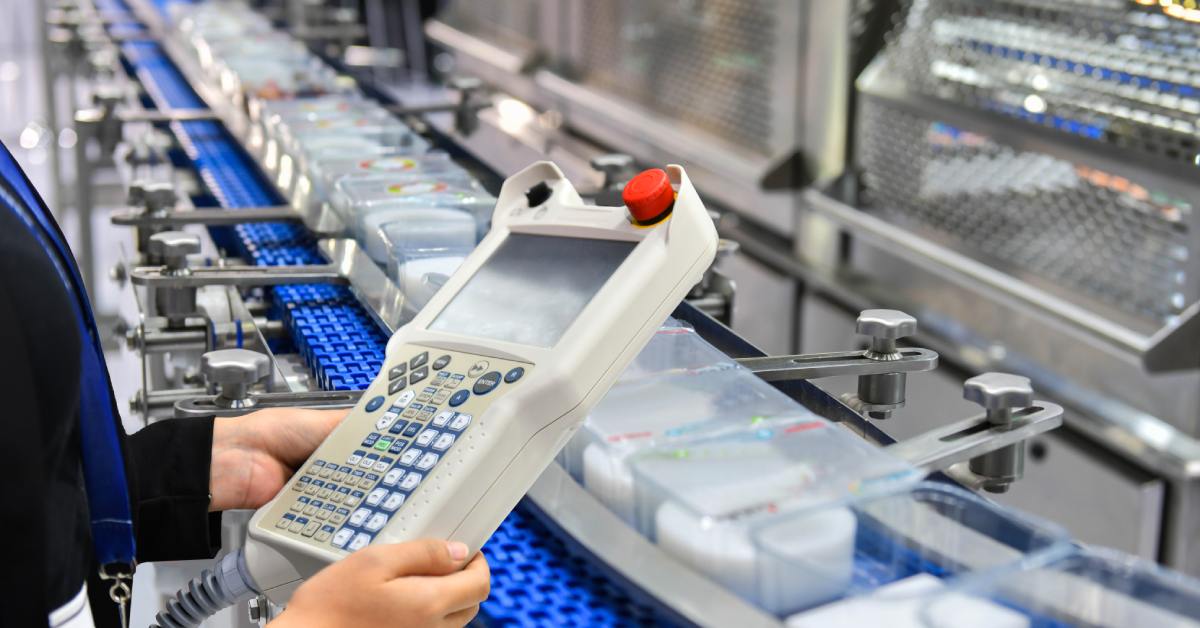
Modern automation incorporates a suite of revolutionary technologies, including AI-powered analytics and systems. These innovations provide detailed operational data to help you make informed adjustments as production demands fluctuate.
Automation in food processing also includes image recognition software that streamlines quality control checks. By identifying defects in real time, these systems work to maintain product consistency without compromising speed. Integrating these tools significantly boosts overall efficiency and reduces downtime.
Optimizing Workflows With Modular Design
Modular systems offer incredible flexibility, enabling you to tailor your processing lines to your specific needs. Incorporating modules helps food manufacturers add, remove, or upgrade parts of their processes efficiently. This adaptability is especially important for businesses dealing with seasonal production shifts.
With a modular design, scalability becomes much more accessible, making future expansions or upgrades seamless. Changing consumer demands or evolving product lines no longer necessitate significant system overhauls. Instead, modular technologies help businesses remain agile while maintaining performance and profitability.
Enhancing Productivity Through Data Integration
The intersection of automation and data analytics is a game-changer for food processing. Data integration fosters transparency in operations, enabling businesses to track and evaluate performance accurately. Metrics on production speed or defect rates are invaluable for continuous improvement initiatives.
Live data systems allow teams to address potential problems before they escalate into large-scale issues. This capability ensures consistent productivity and prevents downtime. Detailed reporting aids in long-term planning and identifying growth opportunities for the company’s success.
Balancing Cost and Return on Investment
Designing smarter food processing lines through automation involves an upfront investment that can be significant for small businesses. Thankfully, the return on investment (ROI) often outweighs initial costs due to improved efficiency and reduced wastage. Creating a balanced budget ensures the financial viability of automation projects.
Smart systems reduce overall operating costs by minimizing energy consumption and material losses during production. They also cut labor expenses by transferring repetitive or dangerous tasks to machines. Every financial benefit adds up to make automation an indispensable asset for modern companies.
Partnering With Automation Experts
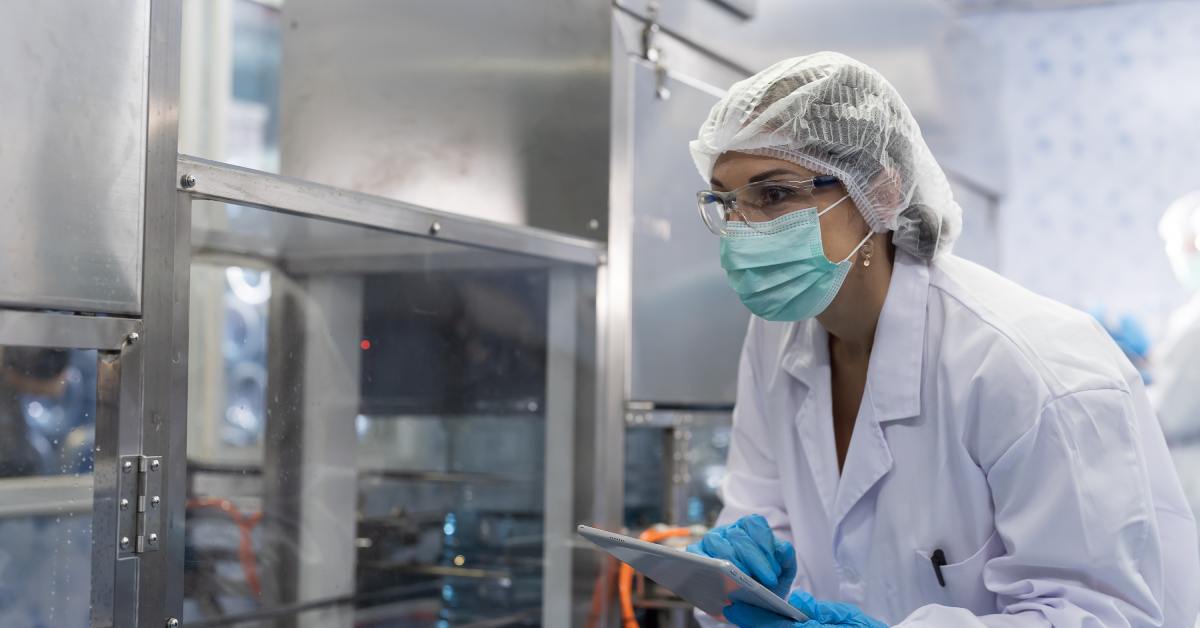
Navigating the complexities of automated food processing design requires expert collaboration. Working with professional food automation design services will ensure you gain access to specialized knowledge tailored to your industry. Their insights provide optimized solutions designed to suit your specific production requirements.
These service providers also contribute valuable experience in addressing common automation challenges. From initial consultation to system implementation, their guidance streamlines the entire process. Partnering with the right experts ensures a smoother transition to smarter technologies and paves the way for superior results.
Prioritizing Sustainability With Smart Systems
Sustainability has become a significant consideration in modern food processing. Automation supports this goal by reducing waste and unnecessary energy use during operations. Many systems now include energy-efficient designs that address environmental concerns proactively.
These systems prioritize resource optimization by using innovative methods to maximize yield and minimize spoilage. Such practices benefit the environment and improve profit margins. Businesses aligning automation with eco-friendly principles demonstrate their commitment to responsible production methods.
Preparing for Future Industry Trends
Food processing automation continues to evolve, with new trends pushing boundaries for greater efficiency. Consumer demand for personalized products drives innovations in customization, compelling manufacturers to adopt flexible technologies. Staying informed about industry trends prepares business owners to adapt early when new opportunities arise.
Future-proof automation systems feature compatibility with emerging tools and protocols, allowing for seamless upgrades. Incorporating these systems now enables manufacturers to maintain competitive positions for many years. By planning for the future, companies secure their standing in an increasingly automated industry landscape.
Investing in advanced technologies can help businesses position themselves to meet growing consumer demands for higher-quality and more sustainable products while also achieving greater operational flexibility and cost savings. The successful implementation of these systems lays the foundation for long-term growth, resilience, and competitive advantage in an increasingly dynamic and demanding marketplace.