

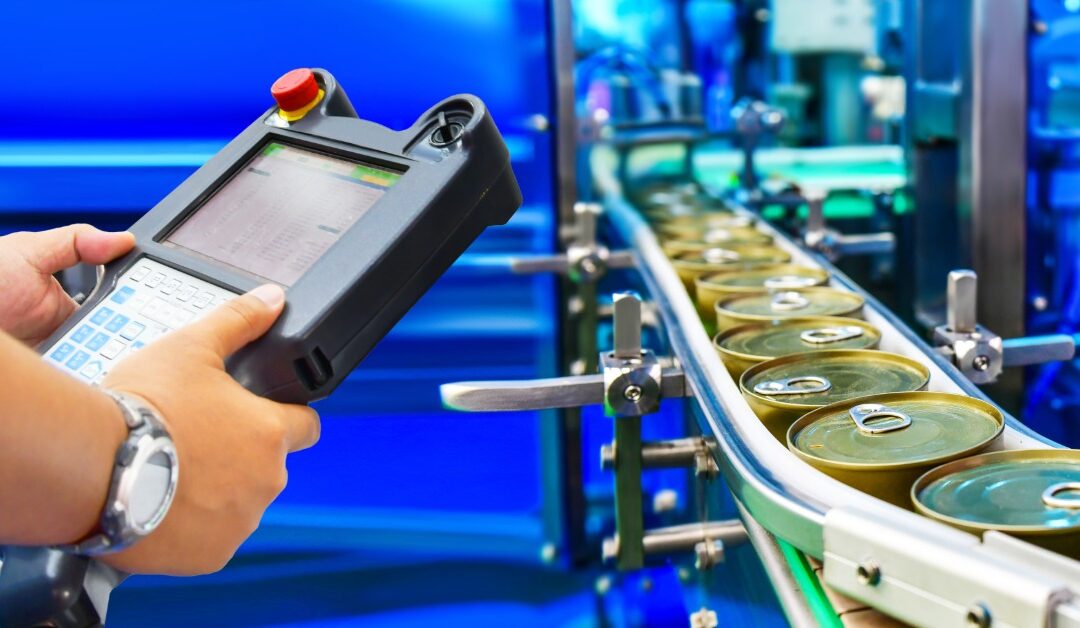
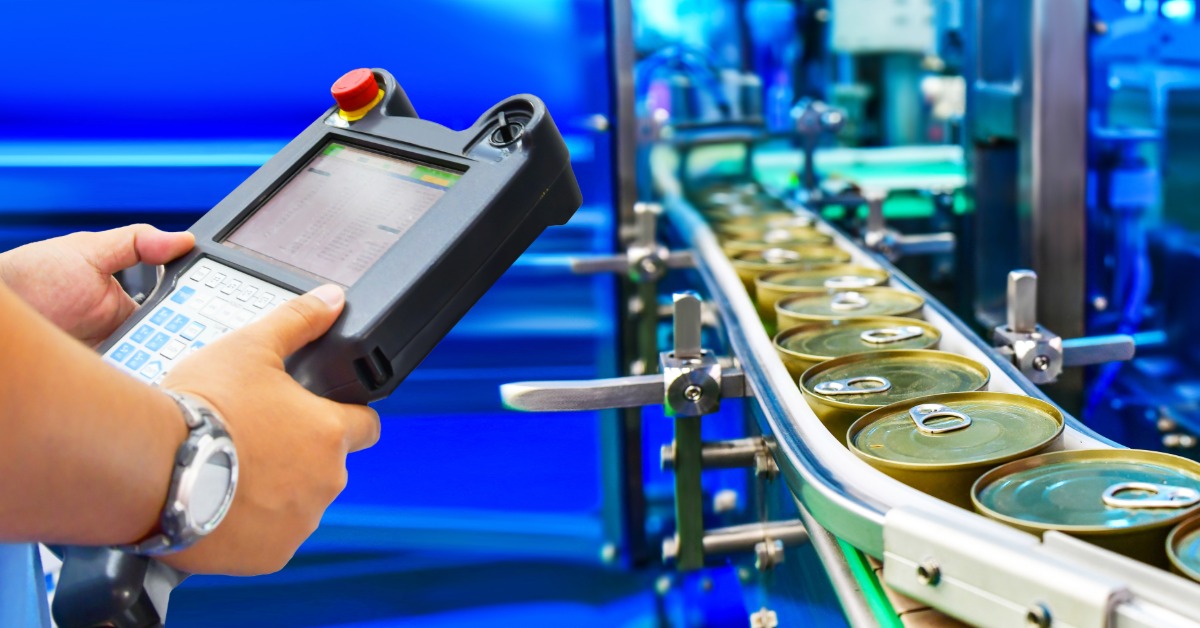
Clean-in-place systems support sanitation across food production environments and help maintain consistent product quality across complex processing lines. Efficient operation within these systems affects cost control, uptime, and compliance with strict regulatory expectations across global markets. Automation introduces structured control, repeatable outcomes, and data visibility that strengthen performance across sanitation processes and equipment maintenance cycles.
Automation also reduces variability that manual processes often introduce during sanitation procedures, especially across large facilities with multiple processing zones. With precise control systems, operators achieve consistent chemical dosing, temperature management, and cycle timing without frequent manual intervention requirements. Learning how automation can improve the efficiency of CIP systems can enhance operational efficiency, reduce waste, and strengthen hygienic conditions throughout production systems and infrastructure.
Enhanced Process Consistency
Automation standardizes cleaning cycles across equipment, ensuring each process follows predefined parameters that eliminate variability and human inconsistency during sanitation routines. This consistency supports uniform cleaning outcomes, reduces contamination risks, and strengthens confidence in system reliability across multiple production shifts. Automated systems apply exact measurements and timing, ensuring repeatable sanitation performance without deviation from established operational standards or safety requirements.
Reliable repetition also improves audit readiness, as documented cycles demonstrate adherence to sanitation protocols required within regulated food production environments. Operators rely on system validation rather than manual verification, reducing workload while maintaining strict compliance with sanitation expectations and inspection requirements.
Reduced Labor Dependence
Automation reduces reliance on manual labor, allowing facilities to allocate workforce resources toward higher-value operational and quality-focused activities. Employees no longer manage repetitive cleaning tasks, as automated systems execute cycles with precision and minimal supervision across production environments. This shift improves workforce efficiency, reduces fatigue, and supports safer working conditions within demanding food processing operations.
Labor reduction also decreases training requirements, as automated interfaces simplify system interaction and reduce the need for extensive manual procedure knowledge. Facilities benefit from faster onboarding and reduced risk of human error during sanitation cycles that require strict adherence to defined parameters. These advantages support cost efficiency while maintaining consistent cleaning performance across all equipment and production areas.
Data Driven Decision Making
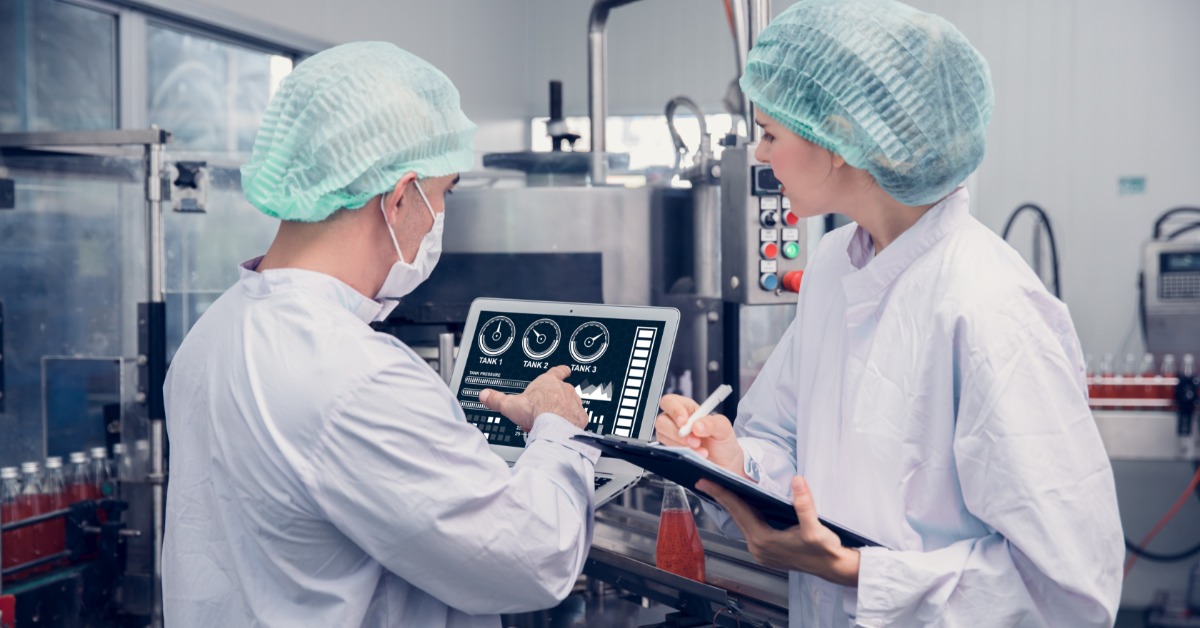
Automation generates detailed operational data across CIP processes, allowing managers to analyze performance trends and identify opportunities for efficiency improvements. Real-time monitoring provides visibility into cycle duration, resource usage, and system performance across all cleaning operations within the facility. This data supports informed decision-making that enhances productivity and reduces unnecessary operational expenses.
Historical data also enables predictive analysis, allowing facilities to anticipate maintenance needs and optimize cleaning schedules based on actual system performance trends. Managers gain insights that support strategic planning and continuous improvement initiatives across sanitation processes and equipment utilization. These capabilities strengthen long-term operational efficiency and support data-driven management practices within food processing environments.
Increased Equipment Longevity
Automated cleaning cycles protect equipment from excessive wear through controlled chemical exposure, optimized temperatures, and precise cycle durations across all sanitation processes. This controlled approach reduces the risk of damage caused by overexposure or improper cleaning practices within manual systems. As a result, equipment lifespan extends, and facilities reduce capital expenditure related to premature replacement.
Consistent cleaning also prevents buildup that can compromise equipment performance and efficiency over time within complex processing systems. Automation ensures thorough removal of residues without excessive mechanical stress, preserving system integrity and operational reliability. The benefits of automation to improve CIP systems contribute to sustained performance and reduced maintenance costs across food production facilities.
Enhanced Compliance Assurance
Automation supports compliance with strict sanitation regulations through consistent execution of validated cleaning protocols across all equipment and production environments. Systems record detailed logs of each cleaning cycle, providing documentation required for audits and regulatory inspections within food safety frameworks. This documentation ensures transparency and accountability across all sanitation activities.
Regulatory bodies require proof of adherence to sanitation standards, and automated systems provide verifiable records that demonstrate compliance without reliance on manual reporting processes. Facilities reduce the risk of noncompliance penalties and maintain strong reputations within competitive markets. This structured compliance approach supports long-term operational success and regulatory alignment.
Optimized Cycle Times
Automation reduces cleaning cycle durations through efficient sequencing, precise control, and elimination of unnecessary delays across production systems. Systems execute tasks without interruption, ensuring smooth transitions between cleaning phases and minimizing downtime between production runs. This efficiency increases overall productivity and supports higher output capacity.
Shorter cycle times also allow facilities to respond quickly to production demands, enabling faster turnaround between batches and improved scheduling flexibility across operations. Automation ensures that speed does not compromise cleaning effectiveness, maintaining high sanitation standards alongside improved efficiency. These improvements enhance operational performance and production responsiveness.
Integration with Smart Systems
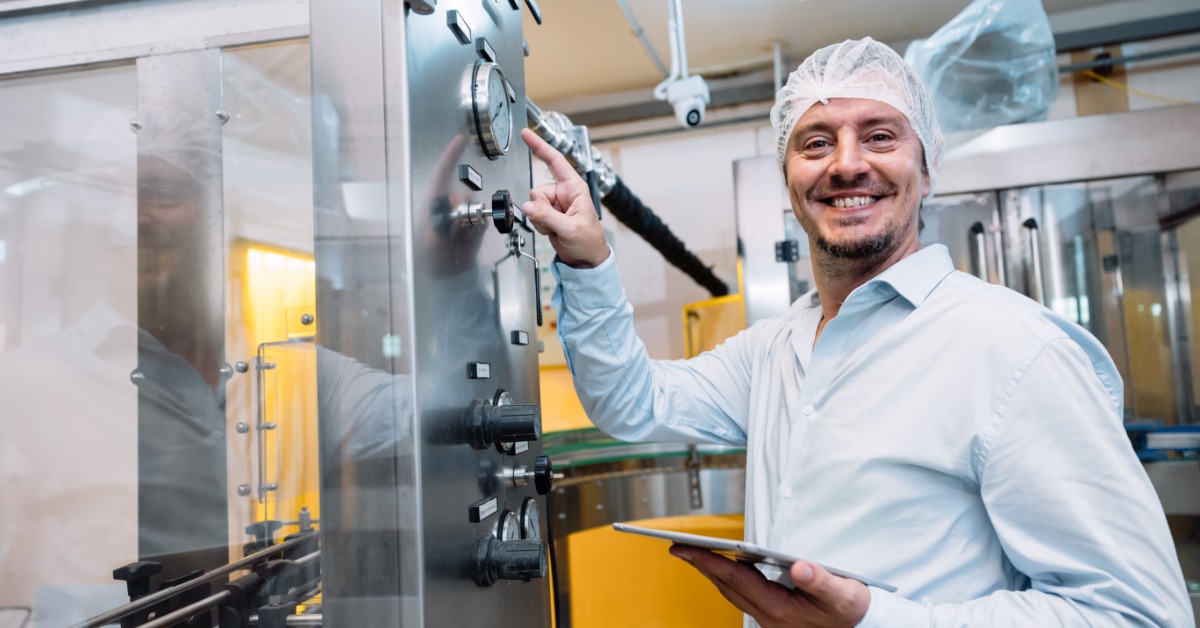
Modern automation integrates CIP systems with broader facility management platforms, allowing seamless communication between production, maintenance, and sanitation operations across the organization. This integration supports coordinated workflows and improves overall system efficiency through centralized control and monitoring capabilities. Facilities gain a holistic view of operations that enhances decision-making and resource allocation.
Smart integration also enables remote access and control, allowing managers to oversee CIP processes and respond to system alerts from any location within secure network environments. This connectivity improves responsiveness and reduces delays in addressing operational issues within sanitation systems. These capabilities support advanced facility management and improved operational coordination.
Cost Reduction Strategies
Automation reduces operational costs through efficient resource usage, minimized labor requirements, and reduced downtime across systems within food processing facilities. These savings accumulate over time, providing significant financial benefits that support investment in advanced technologies and infrastructure improvements. Facilities achieve better cost control while maintaining high sanitation standards.
Lower maintenance costs also contribute to overall savings, as automated systems reduce equipment wear and enable predictive maintenance that prevents costly failures. Financial efficiency strengthens competitiveness within the food processing industry and supports long-term business growth. These cost advantages highlight the value of automation within sanitation operations.
Strategic Investment Perspective
Automation represents a strategic investment that aligns operational efficiency with growth objectives within food processing organizations across competitive global markets. Facilities that adopt advanced systems position themselves for scalability, adaptability, and sustained performance improvement across evolving industry demands. This forward-looking approach supports resilience and innovation.
Investing in high-quality food processing design automation equipment is the best solution to ensure consistent sanitation performance, operational efficiency, and compliance with strict regulatory requirements. Organizations that prioritize such investments gain measurable advantages in productivity, cost control, and system reliability. These benefits reinforce the importance of automation within modern food processing strategies.
Automation transforms CIP systems into highly efficient, reliable, and data-driven components of food processing operations across diverse production environments. Through consistent execution, optimized resource usage, and enhanced visibility, automated systems deliver measurable improvements in sanitation performance and operational efficiency. These advantages support short-term productivity and long-term strategic success within the industry.
As food processing demands continue to evolve, automation provides a scalable solution that addresses complexity while maintaining strict hygiene standards and regulatory compliance. Organizations that embrace automation strengthen their competitive position and achieve sustainable operational improvements across all sanitation processes. This transformation highlights the value of innovation within modern food production systems.