

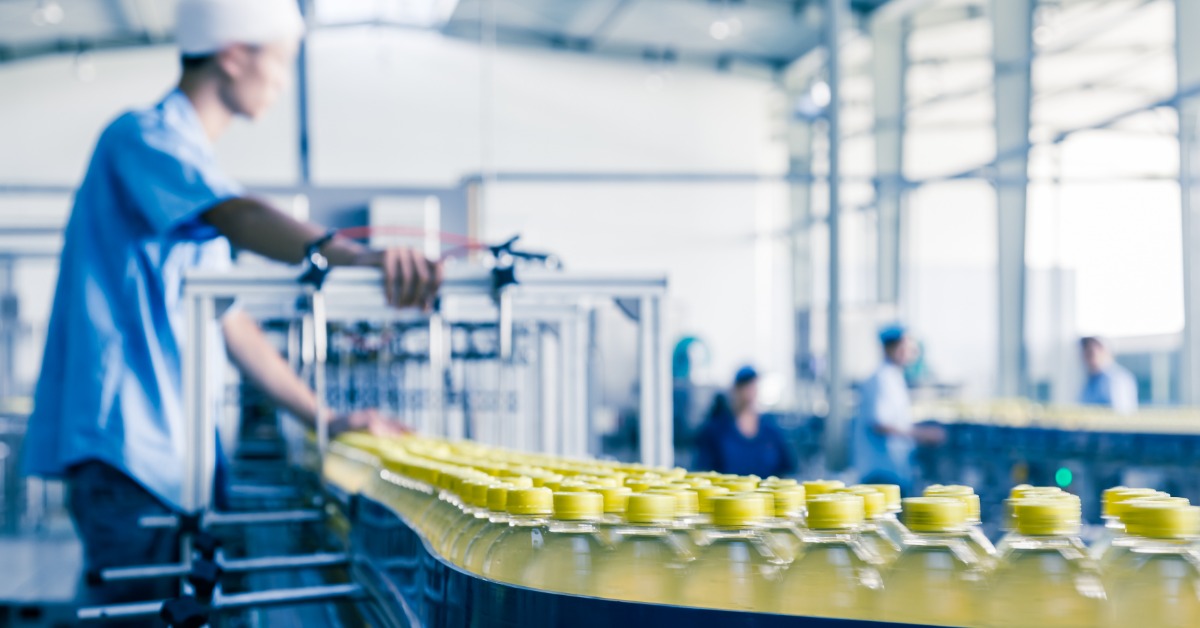
A modern production environment demands precision, consistency, and speed to meet rising expectations across industries. Automation introduces structured processes that reduce human error and improve output quality across complex assembly systems. Companies adopt advanced systems to maintain competitiveness and deliver reliable results within strict production timelines and evolving market demands.
Learning how automation helps improve assembly line efficiency will help reshape traditional workflows through intelligent systems that execute repetitive tasks with accuracy and efficiency. These systems support better coordination across production stages and enhance overall operational performance. A thoughtful approach to automation ensures that every component of the assembly line operates with clarity and measurable improvement.
Consistency Across Production Lines
Automation ensures consistent output across every stage of production through controlled processes that minimize variation and maintain strict quality standards. Machines follow programmed instructions with precision that reduces deviation and ensures uniformity across large production volumes without compromise. This level of control helps maintain product integrity and strengthens trust with clients who expect reliable results from each production cycle.
Human error often introduces inconsistency that affects product quality and operational efficiency across manufacturing environments. Automated systems remove variability through repeatable actions that maintain exact specifications during each production phase. Consistent performance supports better resource management and reduces waste across the entire assembly process.
Improved Production Speed
Automation accelerates production timelines through the rapid execution of tasks that require precision and repetition within assembly environments. Machines operate continuously without fatigue, ensuring steady output that meets high demand levels across industries. Increased speed allows companies to fulfill orders faster and maintain strong relationships with clients who expect timely delivery.
Manual processes often limit output due to physical constraints and variable performance across shifts. Automated systems maintain a consistent pace without interruption, enhancing throughput across all production stages. Faster production cycles improve profitability and allow businesses to respond effectively to market demand.
Enhanced Worker Safety
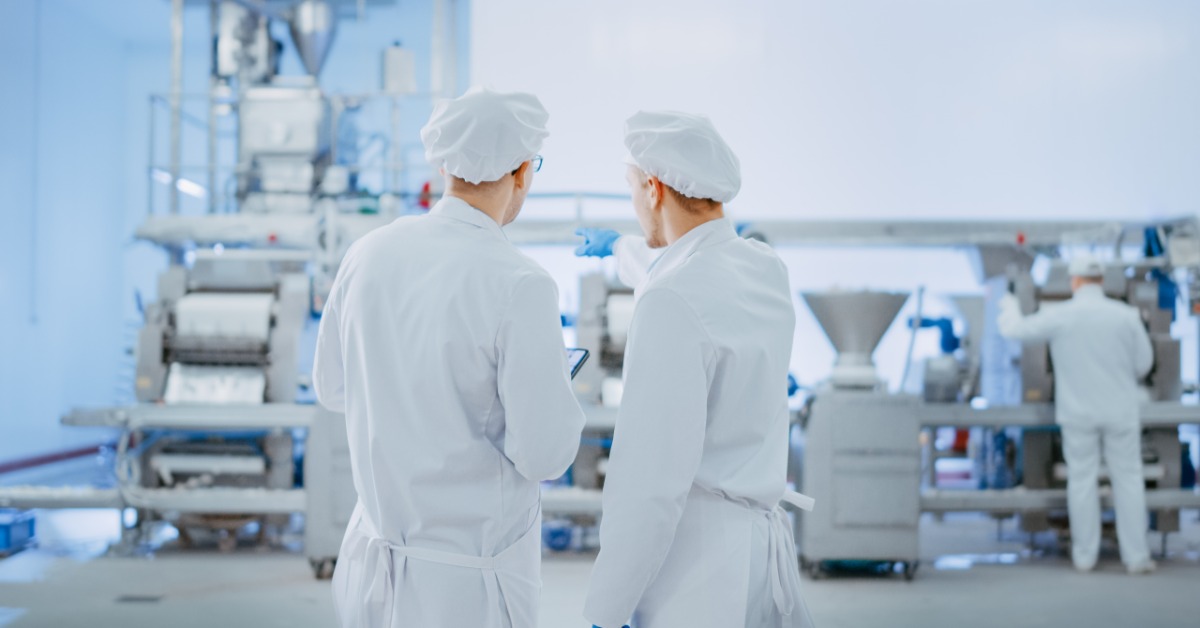
Automation reduces direct human involvement in hazardous tasks that pose risks within industrial environments. Machines handle dangerous operations that involve heavy loads or extreme conditions, reducing workplace incidents significantly. This approach creates a safer environment where workers can focus on supervision and quality control tasks.
Safety improvements also lead to higher morale and greater confidence among employees within the workplace. Reduced exposure to risk supports better health outcomes and fewer disruptions across operations. A secure work environment strengthens overall productivity and encourages long-term workforce stability.
Better Quality Control
Automated systems perform inspections with precision that ensures defects receive immediate detection during production stages. Sensors and monitoring tools evaluate each product against strict standards to maintain high-quality levels. Early identification of issues reduces rework and prevents defective products from reaching clients.
Quality control improves when systems operate with consistent accuracy across every production cycle. Automation allows real-time adjustments that maintain alignment with design specifications. Reliable quality assurance supports brand reputation and builds trust with customers.
Efficient Resource Use
Automation optimizes material use through precise measurement and controlled processes that reduce waste across production lines. Systems track consumption patterns and adjust operations to maximize efficiency and minimize unnecessary resource use. This approach supports cost savings and environmental responsibility within manufacturing practices.
Better resource management also enhances sustainability efforts that align with modern business values. Reduced waste contributes to lower operational costs and improved profitability over time. Efficient use of materials ensures that production remains both effective and responsible.
Reduced Operational Costs

Automation lowers operational costs through reduced labor requirements and improved efficiency across production systems. Machines perform tasks with minimal supervision, decreasing expenses related to workforce management. This shift allows businesses to allocate resources toward innovation and growth initiatives.
Cost reduction also comes from decreased error rates that limit waste and rework within production processes. Efficient operations ensure better use of time and materials, leading to overall savings. Financial stability improves as production becomes more predictable and controlled.
Data Driven Decision Making
Automation helps improve assembly line efficiency because it generates data that provides insight into production performance and reliability. Real-time monitoring allows managers to assess performance metrics and identify areas for improvement quickly. Access to accurate data supports informed decisions that enhance productivity and reduce inefficiencies.
Data analysis also enables predictive maintenance that prevents unexpected equipment failures within production systems. Early detection of issues ensures continuous operation without costly downtime. Informed strategies lead to consistent improvement across all aspects of manufacturing.
Scalability and Flexibility
Automation supports scalability that allows production to expand without major disruption to existing systems. Businesses can increase output by adjusting machine parameters to meet higher demand levels efficiently. This flexibility ensures that operations remain adaptable in dynamic market conditions.
Flexible systems also allow quick changes to product design or production requirements without extensive reconfiguration. Automation enables smooth transitions between different tasks within the same assembly line. This adaptability supports innovation and continuous growth across industries.
Integration With Modern Systems
Automation integrates with advanced technologies that enhance coordination across production and management systems. Connected platforms allow seamless communication between machines and control units for efficient workflow management. This integration ensures alignment between operational goals and execution across all departments.
Investing in high-quality food processing design automation equipment is the best solution to improve efficiency across production systems and maintain consistent quality standards. Advanced integration supports better synchronization between processes and ensures optimal performance throughout operations. This alignment enhances productivity and supports strategic business objectives.
Competitive Advantage in Industry
Automation provides a competitive edge through improved efficiency and enhanced product quality across manufacturing environments. Businesses that adopt automation position themselves as leaders within their industries. This advantage attracts clients who value reliability and innovation in production capabilities.
A strong competitive position supports market growth and success across various sectors. Automation allows companies to meet evolving demands with confidence and precision. Strategic investment in technology ensures sustained progress and industry leadership.
Automation transforms assembly line operations through improved efficiency, enhanced quality, and reduced costs across production systems. Each benefit contributes to a stronger and more reliable manufacturing environment that meets modern demands. Businesses that adopt automation gain greater control over processes and achieve consistent results across all stages.
A thoughtful approach to automation ensures that production systems remain adaptable and safe in changing market conditions. The integration of advanced technology supports sustainable growth and operational excellence. With proper implementation, automation becomes a powerful tool that drives success and innovation across industries.
