
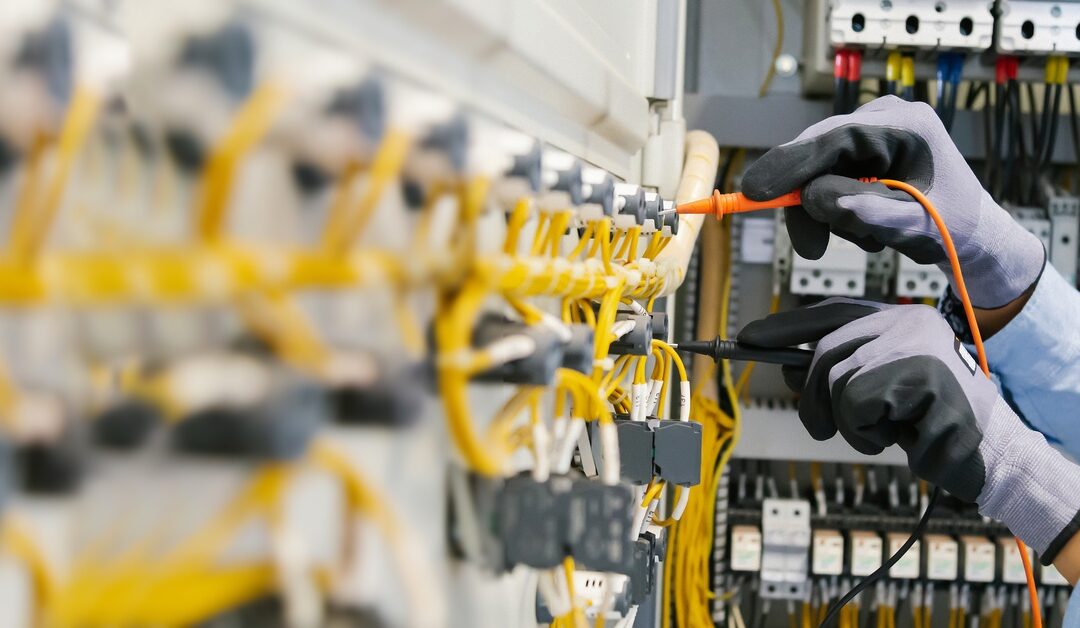
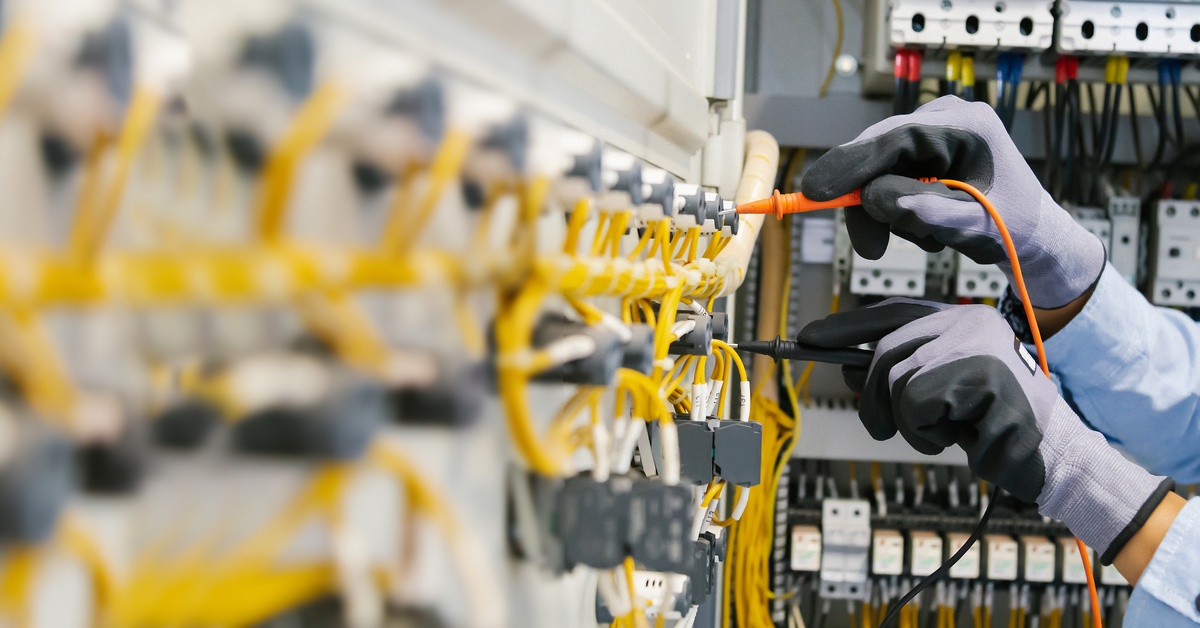
Electrical engineering is the foundation of modern automation. This discipline enables the complex systems that power industries from manufacturing to logistics and beyond. Advances in electrical fields directly translate to smarter, faster, and more efficient automated processes.
The principles of circuits, power, and control systems provide the framework for every automated solution. Without the constant innovation from electrical engineers, the automated world we know would not exist. These engineers develop the hardware that gives automation its physical form and function.
They design intricate control panels, powerful drive systems, and sensitive sensors. Their work ensures that automated machines can perceive their environment and execute tasks with precision. Learning more about how electrical engineering drives automation innovation will ensure progress in the entire field of industrial and commercial automation.
Advanced Control Systems
One of the main ways electrical engineering drives automation innovation is through the use of advanced control systems. Electrical engineers create sophisticated control systems that command automated machinery with exceptional accuracy. These systems use complex algorithms to manage every movement and process within a factory. They provide the intelligence for machines and conveyors to perform their designated functions flawlessly.
Engineers implement feedback loops to allow for real-time adjustments and performance corrections. These mechanisms improve system stability and enhance the overall quality of the final product. Such responsive controls make modern automation robust and adaptable to variable production demands.
Efficient Power Distribution
Automation systems require a constant, reliable supply of electrical power to operate correctly. Electrical engineers design power distribution networks that deliver energy where it’s needed most. They ensure that motors, sensors, and controllers receive stable voltage for optimal performance.
These power systems also incorporate features to enhance energy efficiency and reduce operational costs. Engineers select components that minimize waste heat and lower overall electricity consumption. This focus on efficiency helps make automation a sustainable solution for modern industrial challenges.
High-Precision Sensor Technology

Sensors act as the eyes and ears for any automated system, which collect vital data. Electrical engineers develop a wide range of sensors for different industrial applications. These devices measure position, temperature, pressure, and other essential environmental variables with high precision.
The data from these sensors feeds directly into the control system for immediate analysis. This information allows the automated equipment to react intelligently to its immediate surroundings. Sensor innovation enables machines to perform complex tasks that require delicate, precise interaction.
Enhanced System Safety
Safety remains a paramount concern in any environment that contains automated equipment. Electrical engineers design safety circuits that protect human operators from potential workplace hazards. These systems can halt machine operations instantly when a dangerous condition appears.
Features like emergency stop buttons, light curtains, and safety interlocks are standard components. Engineers integrate these elements seamlessly into the main control architecture for dependable protection. These safety measures create a secure workplace where people and machines can coexist productively.
Improved Reliability and Maintenance
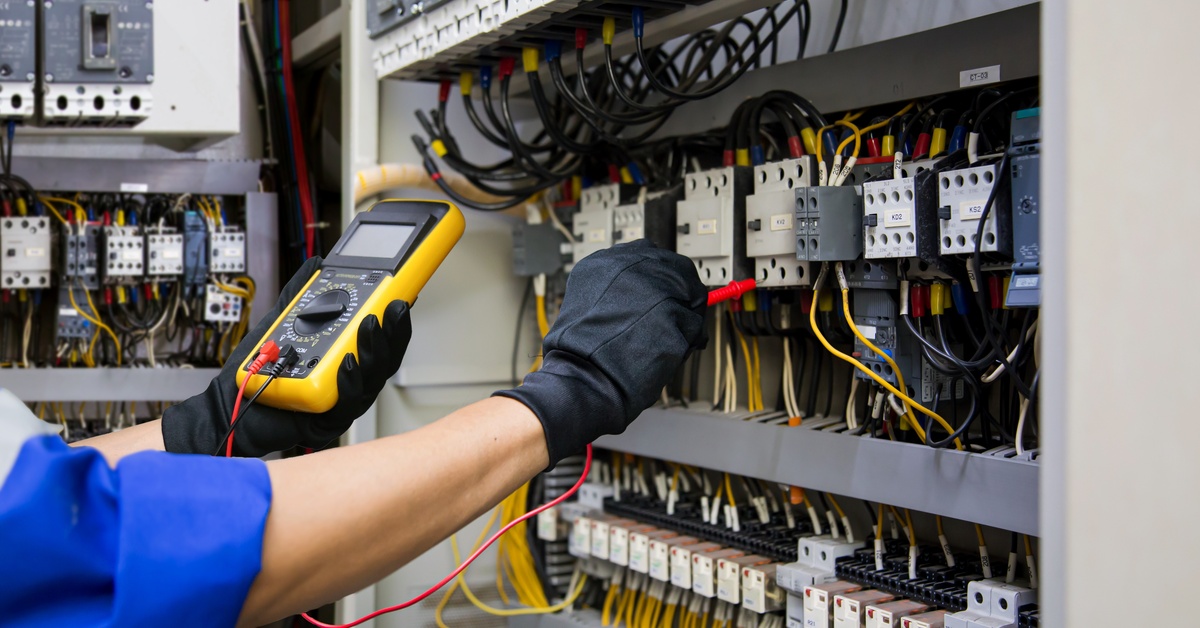
The reliability of an automated system directly affects its uptime and overall economic value. Electrical engineers select durable components and design resilient circuits to maximize operational life. They focus on robust designs that can withstand the harsh conditions of industrial environments.
They also build diagnostic tools into the control systems for easier maintenance. These tools help technicians identify and resolve faults quickly, which reduces expensive downtime. This proactive maintenance approach keeps automated lines operational and productive for longer periods.
Standards and Interoperability
Modern factories often use automated equipment from various manufacturers. Electrical engineers establish communication standards that allow these diverse systems to work together. Protocols like Ethernet/IP and Profinet enable seamless data exchange between different machine controllers.
This interoperability enables companies to build flexible, scalable automation solutions with ease. It prevents vendor lock-in and fosters a competitive market for industrial automation hardware. Standardized communication is a foundation for the smart factories of the future.
Sustainable Automation Solutions
Sustainable automation solutions continue to revolutionize industries, prioritizing energy efficiency and environmental responsibility. Working with professionals in electrical system design can help businesses explore greener practices that they can implement into a variety of different areas. Here are some key approaches used in sustainable automation:
- Energy-efficient system designs: Engineers optimize automation systems to consume less electricity while maintaining high performance. This includes the development of advanced power electronics and efficient control methods.
- Utilization of renewable energy sources: Many automation facilities integrate renewable energy sources, such as solar panels and wind turbines, to reduce reliance on non-renewable resources. This shift minimizes carbon emissions and fosters long-term sustainability.
- Smart energy management systems: Modern automation solutions incorporate intelligent energy management systems that monitor and regulate energy usage in real-time, ensuring the efficient use of and minimizing waste.
- Adoption of sustainable materials: Manufactured equipment and components use eco-friendly, recyclable materials, reducing the environmental impact associated with production and end-of-life disposal.
- Circular economy practices: Automation systems focus on reusability and recyclability, enabling businesses to repair, refurbish, or recycle components instead of discarding them, extending the life cycle of machinery.
- Waste reduction technologies: Automation processes limit waste generation with improved precision and reduce errors, particularly in industries such as manufacturing and agriculture.
The Future of Automation
The field of electrical engineering will continue to shape the future of automation. New developments in semiconductor technology will lead to even more powerful, smaller controllers. These advancements will enable more complex and capable automated machines across all industries.
Wireless power and communication technologies also promise to revolutionize factory floor layouts. These innovations will eliminate the need for physical cables, which creates more flexible environments. Electrical engineers stand at the forefront of this evolution toward a fully connected plant.
Electrical engineering is the fundamental force that propels automation innovation forward. Its principles enable the creation of intelligent, efficient, and safe automated systems. The future holds even more promise as engineers continue to push technological boundaries.
These advancements will make automation more accessible, powerful, and integrated into our lives. From smart factories to autonomous vehicles, electrical engineering will build our automated future. The continued collaboration between disciplines will unlock even greater potential for human progress.
