


Manufacturing and industrial environments present numerous risks to human workers. Heavy machinery, hazardous materials, and repetitive tasks all contribute to workplace accidents and injuries. For decades, companies have sought methods to reduce these dangers and create a safer atmosphere.
The evolution of technology now presents powerful solutions to these long-standing challenges. Industrial automation is at the forefront of this movement to enhance workplace safety. It represents a significant shift from manual labor to machine-driven processes for improved outcomes.
It encompasses a wide system of sensors, software, and sophisticated mechanical devices. These elements work together to perform tasks with precision, speed, and endurance. This change fundamentally improves the relationship between people and machines.
The integration of automation directly addresses the root causes of many workplace incidents. It removes human error from complex operations and handles hazardous substances. Learning more details about how industrial automation can improve worker safety will ensure a more productive industrial future.
Reduction of Direct Hazard Exposure
Automated systems can handle tasks in environments that are too dangerous for any human worker. Automation prevents employees from handling toxic chemicals, extreme temperatures, and heavy loads. This placement removes the immediate threat of exposure or physical strain.
This technology allows companies to isolate dangerous processes from the main workforce completely. For instance, automated welders operate behind protective barriers to contain sparks and fumes. People can then monitor the progress from a safe distance through cameras and sensors.
Enhanced Operator Training Simulators
Operators can learn to handle equipment and respond to emergencies in a safe space. This practice builds their confidence and competence without exposure to any real-world physical danger. A team will have a better understanding of how certain machines work with the freedom to learn from mistakes.
These training modules can replicate a wide range of rare but serious failure scenarios. Trainees gain practical experience that would be impossible to provide on a live factory floor. This preparation ensures they are ready to act appropriately in a real emergency.
Advanced Real-Time Safety Monitoring

Modern automation includes sophisticated sensors that monitor the work environment around the clock. These devices can detect gas leaks, pressure changes, or temperature spikes almost instantly. They provide early warnings of potential hazards before they escalate into serious safety incidents.
This constant oversight creates a protective bubble around the entire operational facility. If a sensor detects an anomaly, the system can trigger alarms or initiate shutdowns. This rapid, automatic response protects both your valuable equipment and your essential personnel.
Better Adherence to Safety Compliance
Regulatory standards in industrial sectors are strict and complex for very good reasons. Automation helps companies meet these requirements with remarkable consistency and complete documented proof. Machines follow programmed safety protocols without deviation, which ensures constant adherence to rules.
Automated systems also generate detailed logs for every action they take during operation. This data provides a clear record of compliance for auditors and internal safety reviews. Working with professional services in industrial controls and automation will ensure systems meet all legal standards for a safer and functional environment.
Improved Ergonomics and Strain Reduction
Repetitive motion, heavy lift operations, and awkward postures cause many long-term worker injuries. Automation excels at these physically demanding tasks, which spares the human body from strain.
This focus on ergonomics helps to reduce musculoskeletal disorders among the industrial workforce. Employees can then transition to roles that require more cognitive skills and less physical effort. This shift leads to a healthier, more sustainable career path for many experienced workers.
Predictive Maintenance for Equipment Safety
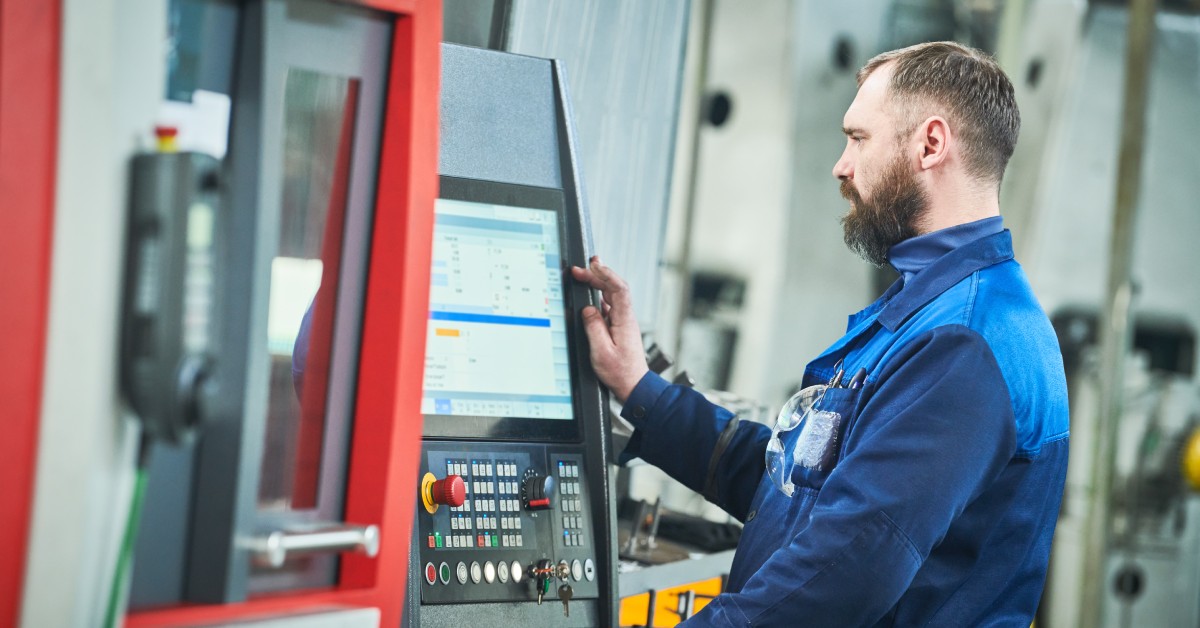
Automated systems use sensors to monitor machinery health in real time. They can detect subtle vibrations or temperature changes that signal potential equipment failure. This data allows maintenance teams to schedule repairs before a catastrophic breakdown can happen.
Proactive maintenance prevents accidents caused by unexpected machine malfunctions or total system failures. It keeps the production line safe and extends the life of valuable assets. A well-maintained machine is a much safer machine for everyone who works around it.
Swift and Coordinated Emergency Response
In an emergency, a coordinated and rapid response can save lives and prevent destruction. Industrial automated systems can improve worker safety with emergency shutdown procedures that are faster than human teams. They can close valves, cut power, and activate fire suppression systems in mere seconds.
These systems can also alert emergency services with precise location and incident data. This information helps first responders to understand the situation before they even arrive. This level of automation ensures a more effective response to any unforeseen critical event.
Data-Driven Safety Strategy Decisions
Automation generates a massive amount of operational data about every single production process. Companies can analyze this information to identify hidden safety risks and operational inefficiencies. This insight allows managers to make informed decisions to improve their overall safety programs.
Patterns in the data might reveal that a certain process causes frequent minor errors. Management can then reconfigure the automated workflow to eliminate that problem area. This approach uses hard evidence to refine and enhance workplace safety protocols over time.
Expansion of Remote Operations
Advanced automation enables control of entire plants from a central command room. Operators can manage complex processes from a safe distance, far from any hazards. This remote capability is especially valuable for industries such as mining and chemical production.
Remote operations also allow for expert supervision without the need for physical presence. An engineer in another country could troubleshoot a machine through a secure connection. This flexibility enhances both operational efficiency and the total safety of the workforce.
A Culture of Continuous Improvement
Automation provides the tools and data needed to support a culture of continuous improvement. As technology evolves, so do the opportunities to make the workplace even safer. Companies can regularly update software and hardware to implement the latest safety features.
This ongoing process ensures that safety standards do not remain static over the years. Instead, they evolve alongside the technology that enables safety improvements. This commitment creates a resilient and progressively safer environment for all industrial workers.
The adoption of industrial automation offers a clear path toward a safer future. These systems reduce direct exposure to hazards and ensure compliance with important regulations. They enhance training, improve ergonomics, and enable predictive maintenance for all facility equipment.
Through better data, faster emergency response, and remote operations, automation fundamentally strengthens safety. Companies that embrace these technologies invest in the well-being of their most valuable asset: their people. The next step is to assess current operations and identify automation opportunities.