

Modern manufacturing has transformed over the past century, evolving from simple manual processes to highly sophisticated and precise systems. A combination of technological innovation, market demand, and the necessity for efficiency has driven this evolution.
At the heart of these advancements lies industrial controls, a development in managing and automating production processes. These systems make manufacturing more efficient, safer, and capable of producing high-quality goods on a large scale.
The implementation of industrial controls has transformed factories into interconnected ecosystems of machines that work seamlessly together. This shift meets growing consumer demands and provides manufacturers with a competitive edge in their respective industries. Learn more about how industrial controls revolutionized modern manufacturing, including their impact on efficiency, safety, and sustainability.
A Shift in Efficiency
Efficiency stands out as one of the most significant benefits of industrial controls. These systems ensure that machines operate at optimal speeds and reduce downtime through predictive maintenance technology. By controlling energy consumption, industries can also achieve cost savings and reduce their environmental footprint.
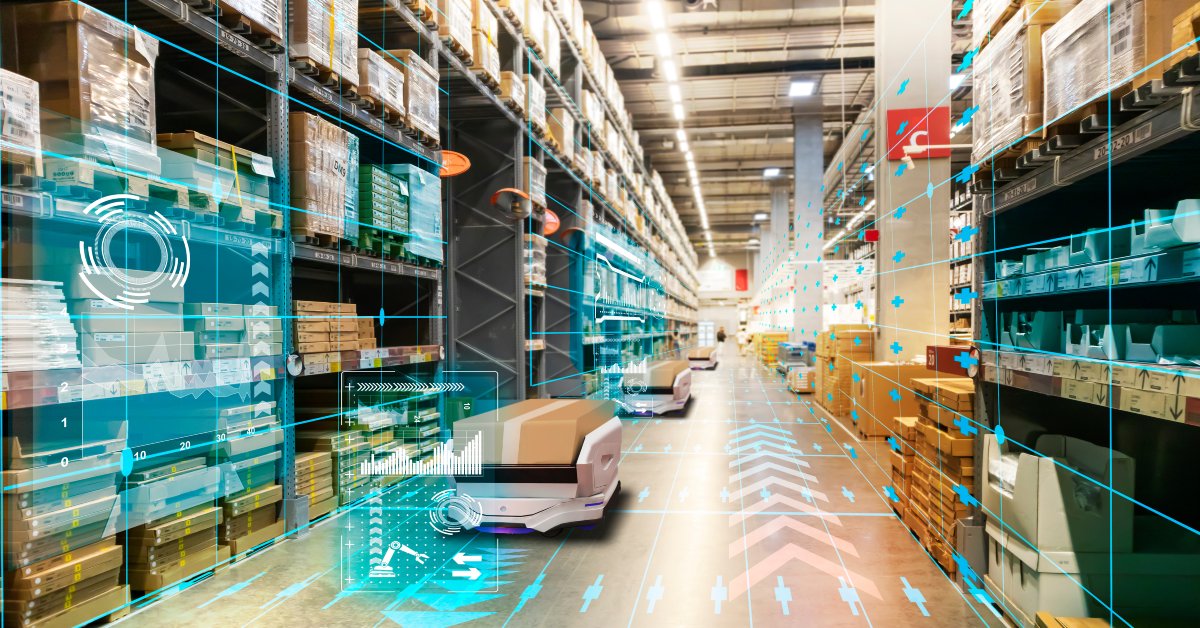
Automation complements this efficiency by streamlining processes that were once labor-intensive and prone to errors. Tasks such as material handling, sorting, and assembly are now remarkably faster and more precise. This shift has allowed manufacturers to scale their operations and meet market demands more effectively.
Improving Workplace Safety Standards
The adoption of industrial controls has enhanced workplace safety by mitigating risks associated with hazardous environments. Automated sensors and controllers can detect potential safety threats, enabling machines to protect workers from harm. This has revolutionized safety protocols, ensuring compliance with strict regulations for a more functional environment.
The automation of hazardous tasks, such as handling toxic substances or operating heavy machinery, has shifted these responsibilities from humans to machines. This advancement reduces workplace accidents, making manufacturing facilities safer for employees at all levels.
Enhanced Flexibility in Production Processes
One of the key advantages of industrial controls is their ability to adapt to changing production needs. Adjustments to machinery are possible with minimal effort, enabling manufacturers to switch between different product lines with ease. This flexibility is essential for meeting custom orders and fluctuating consumer demands.
Smart controllers and data integration ensure that the production process remains responsive and proactive. Manufacturers can now modify operations in real time, addressing inefficiencies before they escalate into larger issues. This agility is a symbol of modern manufacturing systems in industrial and high-paced environments.
Superior Quality Control Mechanisms
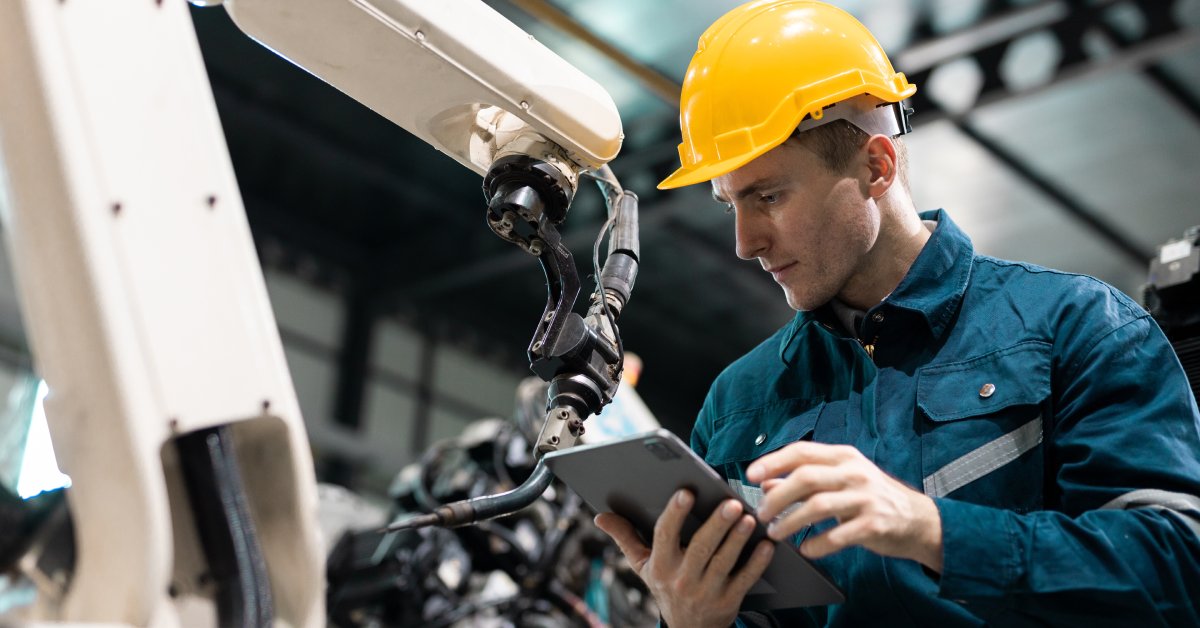
Industrial controls enable rigorous quality checks at every stage of the manufacturing process, ensuring compliance with industry requirements. Automated inspection systems, paired with advanced sensors, detect defects with unparalleled accuracy. This ensures only high-quality products reach the consumer.
By employing data analytics, manufacturers can identify and trace defects back to their root causes, finding effective solutions. These capabilities enable continuous improvement strategies, where operations achieve better quality and reliability over time.
Cost Optimization Across the Board
Automation reduces labor costs by eliminating the need for repetitive manual tasks, which also minimizes human errors. Employees can focus on creative and value-adding responsibilities, improving overall productivity. Industrial controls optimize resource usage to reduce waste, ensuring cost-effective operations.
Machines with efficient industrial control systems experience less wear and tear, resulting in reduced maintenance and repair expenses. This longevity in machinery performance provides manufacturers with substantial savings over time, making operational models sustainable and profitable.
Integration With Data Analytics and IoT
The rise of advanced industrial controls and automation has enabled manufacturers to leverage data analytics and IoT. These systems collect real-time data across various production processes, offering valuable insights for better decision-making. The controls and automation provide businesses with unprecedented transparency and control.
Through IoT connectivity, manufacturers can remotely monitor and adjust operations from virtually anywhere. This integration ensures smooth workflows while allowing businesses to anticipate demand and plan resources accordingly, creating a smart manufacturing environment.
Minimizing Environmental Impact
Industrial controls reduce manufacturing’s carbon footprint. They enable precise allocation of raw materials, minimizing waste and excessive consumption. On top of that, automated systems reduce energy usage by streamlining production processes and eliminating inefficiencies.
Advanced monitoring technologies enable manufacturers to reduce greenhouse gas emissions and comply with environmental regulations. Meanwhile, industrial controls help track and manage waste output, ensuring proper disposal or recycling methods. By adopting environmentally friendly manufacturing practices, companies enhance their reputation and appeal to eco-conscious consumers and investors.
Redefining the Role of the Workforce

While automation has replaced many repetitive tasks, it has also created opportunities for upskilling the workforce. Employees now interact with sophisticated machinery, requiring specialized training and expertise. This shift enhances workforce competency and opens new career development paths.
Industrial controls free workers from monotonous duties, allowing them to focus on innovation and problem-solving. The interaction between human creativity and machine efficiency is one of the main ways industrial controls have revolutionized modern manufacturing, driving the next generation of advancements.
Facilitating Sustainable Practices
Industrial control systems foster sustainability within manufacturing processes by enabling efficient resource management and reducing environmental impact. These systems optimize energy consumption, ensuring that machinery and equipment operate at peak efficiency while minimizing energy use. They enable precise control and monitoring throughout production, significantly reducing material waste and promoting smarter utilization of resources.
These systems provide comprehensive reporting and tracking, assisting organizations in meeting stringent standards and streamlining compliance with environmental regulations. Industrial control systems empower businesses to achieve their green initiatives, contributing to a more sustainable future while maintaining productivity and operational excellence.
Accelerating Global Competitiveness
Modern factories equipped with industrial controls are at the front of global competition. These facilities produce goods faster, more cost-effectively, and to higher quality standards, giving businesses a competitive edge. Automation ensures that products consistently meet international benchmarks to reach new markets.
Global industries that adopt advanced manufacturing practices position themselves as leaders. This competitive advantage attracts investments and fosters economic growth, highlighting the role that innovation plays in international trade.
Industrial controls have revolutionized modern manufacturing by enabling unparalleled efficiency, precision, and scalability. Through the integration of advanced technologies such as automation and AI-driven systems, they have transformed traditional production lines into dynamic, intelligent environments.
These advancements have optimized resource utilization, reduced operational costs, and improved product quality. As industries continue to adapt to evolving demands, industrial controls remain at the forefront, driving innovation and ensuring a more sustainable and competitive future in manufacturing.