
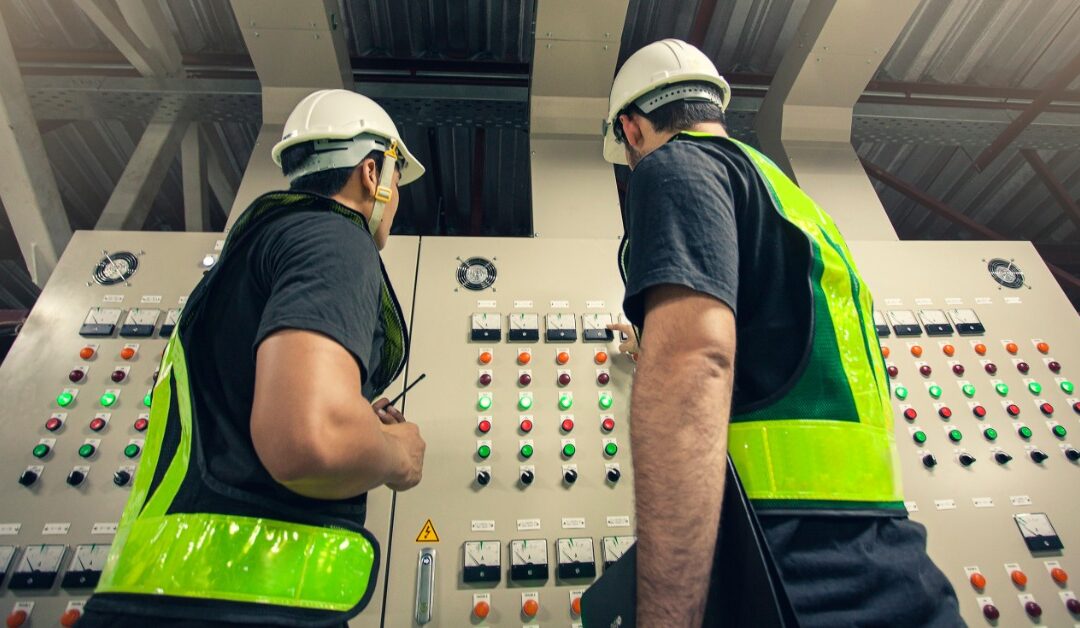
An industrial control panel can face intense heat during normal operation. Electrical components release heat inside a confined enclosure, and temperatures can rise fast when that energy has no effective path outward. Excess heat then places added stress on the equipment that controls important industrial processes.
The challenge becomes greater in facilities where high ambient temperatures surround the enclosure. Nearby machinery can add heat, and limited air movement can make the internal environment even harder to control. A panel that operates well under moderate conditions may struggle once temperatures rise during demanding production periods.
Effectively cooling an industrial control panel starts with a complete view of the panel rather than a quick response to visible heat. The enclosure design and surrounding environment all influence how much thermal control the system needs. When these factors work together, the panel can maintain safer internal temperatures without excessive energy use.
Find the Heat Before It Becomes a Problem
Heat comes from many areas inside an industrial control panel. Power supplies, transformers, drives, relays, and other electrical devices release thermal energy whenever they operate under an active electrical load. Several devices within a compact space can create concentrated hot areas even when each component remains within its individual temperature limits.
Outside heat can place even more pressure on the enclosure. Warm production areas can reduce the natural transfer of heat from the cabinet and leave internal components with little thermal relief. A clear view of both heat sources helps designers address the actual problem rather than select equipment based on assumptions alone.
Base the Cooling System on Real Heat Data
A cooling system cannot perform well when its design starts with an inaccurate estimate. Component heat loss data provides useful information about the amount of thermal energy electrical equipment releases during expected operational conditions. Designers can combine this data with enclosure characteristics to establish a realistic thermal load for the complete control panel.
Ambient temperature deserves equal attention because it directly affects the panel’s ability to release internal heat. Even a modest rise outside the enclosure can change how much support the cooling system must provide during periods of high demand. Reliable temperature data makes it easier to select equipment that can handle actual facility conditions without unnecessary excess capacity.
Let Air Move Through the Entire Panel
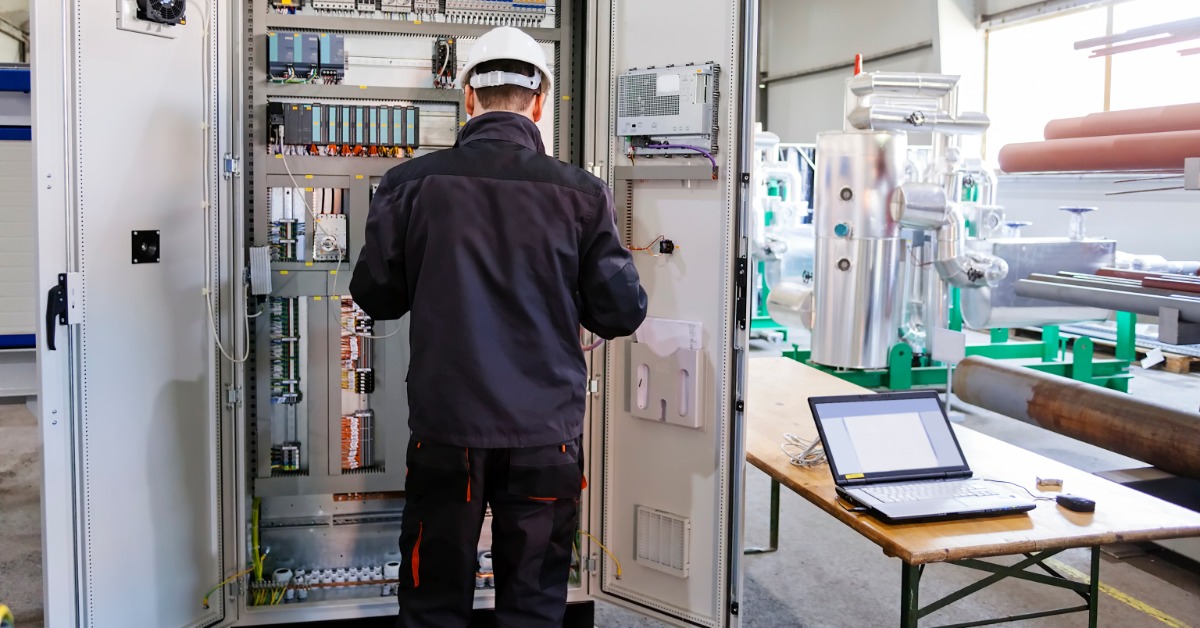
Good internal airflow can make a noticeable difference before active cooling equipment even enters the design. When components sit too close together, warm air can remain trapped around electrical devices and create temperatures that exceed conditions elsewhere. Adequate space gives heat a clearer path away from sensitive equipment and toward areas where the enclosure can remove it.
Component location also affects where warm air travels. Heat naturally moves upward, and thoughtful placement can keep that warmer air from passing across devices with more restrictive temperature limits. A panel with clear internal airflow can use its available cooling capacity far more effectively than an enclosure with a crowded layout.
Create Separation From Harsh Facility Air
Some facilities expose control panels to conditions that make direct outside airflow a poor choice. Dust and other contaminants can enter through open ventilation paths and settle around sensitive electrical components within the cabinet. A closed-loop system allows the enclosure to reject unwanted heat without direct contact between internal air and contaminated external air.
Working with a professional industrial control panel manufacturer is the best solution to develop a thermal approach around the panel’s actual environment. Experienced professionals can account for heat load, enclosure dimensions, component placement, and facility conditions before the final design reaches production. This level of preparation can prevent thermal weaknesses that might otherwise remain hidden until the panel faces heavy operational demand.
Match Cooling Power With Panel Demand
A larger cooling system is not always a better choice. Excess capacity can raise equipment costs and create short operational cycles that place unnecessary stress on thermal control hardware. Too little capacity creates a different concern because the system may run constantly without ever reaching the desired internal temperature.
The right capacity should reflect the most demanding realistic conditions that the panel expects to encounter during normal facility operation. Equipment performance can change as ambient temperatures rise, making manufacturer data important when designers evaluate available thermal capacity for a specific application. A well-matched system maintains stable conditions without wasting resources on cooling power that the enclosure does not actually need.
Stop Contamination From Trapping Heat
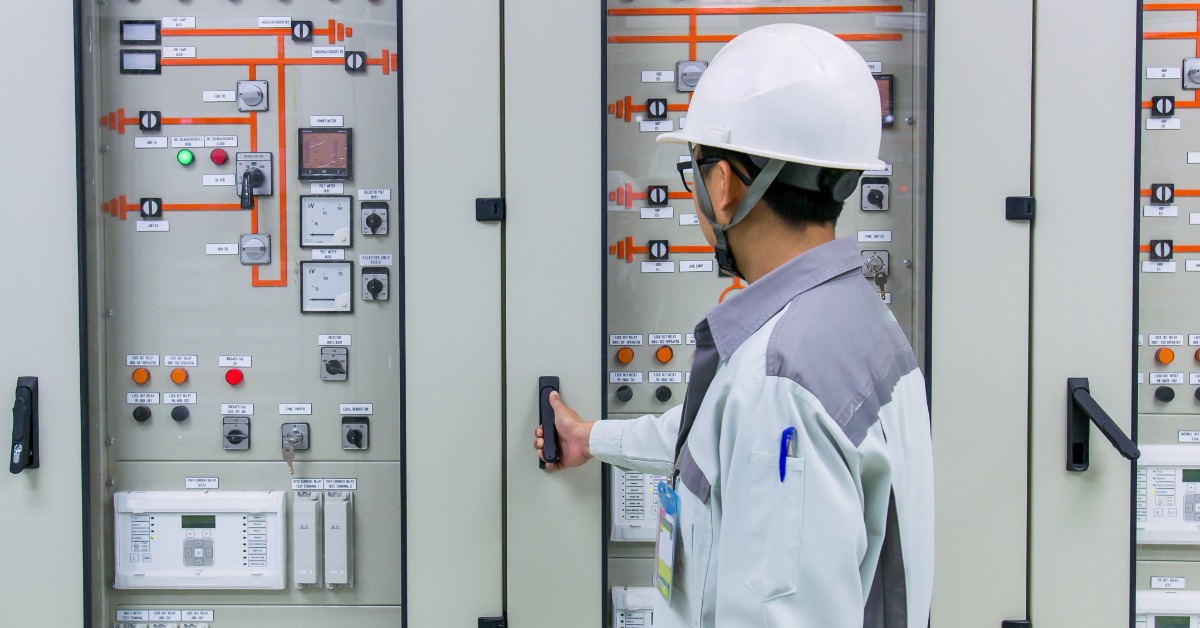
Dust can quietly reduce thermal performance inside an enclosure. Material that collects across component surfaces can limit normal heat transfer and leave electrical equipment warmer than expected under the same operational load. The problem may develop slowly, making temperature changes difficult to notice until the buildup becomes substantial enough to affect panel performance.
A secure enclosure provides an important barrier against these conditions. Damaged seals or poorly protected cable entries can create small paths that allow contaminants to reach electrical equipment over an extended period. Regular attention to enclosure integrity helps preserve the clean internal environment that effective thermal control depends upon throughout the panel’s service life.
Keep the Cooling System Ready for Work
A strong thermal design still depends on reliable equipment. Filters can collect debris, fan performance can decline, and heat transfer surfaces can lose efficiency as normal facility conditions affect the cooling system. These gradual changes can reduce thermal capacity without an obvious warning until enclosure temperatures begin to move beyond their expected range.
Regular maintenance helps preserve the performance that the original panel design requires. Service intervals should reflect actual environmental conditions because heavy industrial contamination can place much greater pressure on cooling equipment than cleaner surroundings. Consistent care also gives technicians opportunities to detect small thermal issues before they develop into expensive interruptions or electrical component failures.
Allow the Thermal Design to Evolve
An industrial control panel may change substantially during its service life. Facility upgrades can add electrical components that release extra heat and occupy interior space that once allowed air to move freely. Even a modest panel modification can affect temperature patterns when new equipment sits near an existing heat source or sensitive device.
Thermal requirements deserve another review whenever major panel changes occur. Designers can compare the revised heat load with available cooling capacity and determine whether the existing system still suits the enclosure. This approach keeps temperature control aligned with the panel instead of relying on a thermal design created for an earlier electrical configuration.
Industrial control panel cooling works best when thermal control becomes part of the overall enclosure design rather than an addition made after problems appear. Heat sources and facility conditions can interact in complex ways, making accurate information essential before a cooling method takes shape. A carefully designed system gives electrical equipment a stable internal environment despite the heat produced during demanding industrial operations.
The work does not end once the panel enters service. Equipment changes and environmental conditions can alter thermal demands throughout the enclosure’s operational life. With proper design and consistent attention, an industrial control panel can manage heat effectively and support dependable electrical performance across demanding facility operations.
