


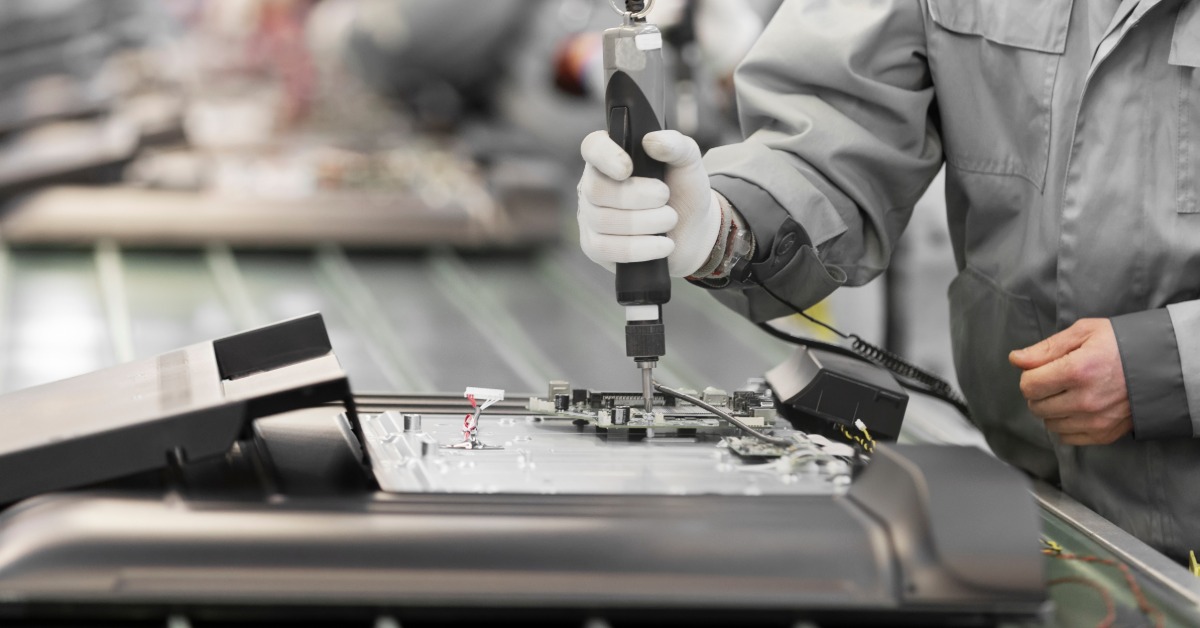
The manufacturing landscape undergoes constant shifts as technology advances and consumer demands evolve rapidly across global markets. Businesses face immense pressure to produce high-quality goods at unprecedented speeds while maintaining strict cost controls. Automation offers a powerful solution to these challenges through the integration of robotics and smart software.
This transformative approach replaces manual repetitive tasks with precise mechanical operations that run without fatigue or error. Companies that adopt these systems position themselves for long-term success in an increasingly competitive industrial environment. Efficiency remains the primary driver for organizations that choose to modernize their production facilities with automation.
Machines operate continuously without breaks or shift changes, which dramatically increases overall daily output capacity. Human workers can then focus on complex problem-solving tasks that require creativity and critical thought processes. Learning the reasons you should automate your assembly line will strengthen the relationship between human intelligence and machine precision to create a robust and flexible workflow.
Improved Workplace Safety
Machines take over dangerous tasks that often lead to repetitive strain injuries for human employees. Heavy lifting and exposure to toxic substances become the responsibility of machines rather than people. This transfer of risk creates a much safer environment for the entire workforce on the floor.
Fewer accidents mean less downtime and lower costs related to workers’ compensation claims and insurance. Employees feel more secure knowing their employer prioritizes their well-being through the use of advanced technology. A safe workplace attracts better talent and retains skilled workers who value their health and safety.
Consistent Product Quality
machines perform tasks with exact precision every single time they execute a programmed movement sequence. Human error vanishes from the equation, which leads to a uniform standard across all manufactured items.
Automated inspection systems check every unit for flaws with speed and accuracy that humans lack. They reject defective items immediately, which prevents them from ever reaching the packaging or shipping stages. This rigorous quality control process protects the company’s reputation and reduces costly returns or warranty claims.
Enhanced Production Speed

Automated systems work at a constant pace that human workers simply cannot match over long periods. Machines do not experience fatigue or distraction, which ensures that production rates remain steady and high. This consistency allows manufacturers to meet tight deadlines and handle large orders with much greater ease.
Faster production cycles mean products reach the market sooner than competitors who rely on manual labor. Speed serves as a significant advantage when consumer trends shift rapidly and demand spikes unexpectedly. Working with an experienced engineering design and automation company is the best way to create and implement a functional plan that ensures success.
Reduced Labor Costs
Automation allows companies to reallocate human resources to roles that add more value to operations. Fewer workers are necessary on the assembly line itself, which significantly lowers direct labor expenses. This shift enables businesses to invest in skilled roles like maintenance, programming, and system optimization.
Overtime costs disappear because machines can run twenty-four hours a day without extra pay requirements. The reduction in payroll expenses helps offset the initial capital investment required to install automated systems. Long-term financial planning becomes easier with stable and predictable operational costs replacing variable labor expenses.
Real-Time Data Analysis
Smart sensors collect data on every aspect of the production process as it happens instantly. Managers access this information to make informed decisions about workflow adjustments and potential system improvements. This visibility reveals bottlenecks and inefficiencies that would otherwise remain hidden in a manual system.
Predictive analytics uses this data to forecast maintenance needs before a machine breakdown halts production. Downtime decreases significantly when repairs occur during scheduled breaks rather than during critical production runs. Data-driven insights empower leaders to optimize their operations continuously for maximum efficiency and profitability.
Optimized Floor Space

Designers create compact layouts that maximize every inch of the available factory floor area efficiently. Better space utilization allows for the addition of more lines or storage areas within existing walls. These are some of the benefits of automating your assembly line:
- Machines often occupy less vertical space than human workstations require for safe and comfortable movement.
- Automated systems utilize vertical space effectively, which frees up valuable square footage on the floor.
- Compact machinery allows for tighter production lines, which increases the total output per square foot.
- Organized layouts reduce clutter and improve the flow of materials through the entire facility.
- Efficient space usage often eliminates the need for costly facility expansions or new building construction.
Scalability and Flexibility
Automated lines adjust easily to changes in product design or shifts in overall production volume. Reprogramming machines will ensure they handle new tasks without the need for extensive retraining or new hires. This adaptability allows manufacturers to respond quickly to market demands and new opportunities that arise.
Scaling up production involves adding more machines or increasing the speed of existing equipment seamlessly. Manual lines require hiring and training new staff, which takes time and resources to accomplish. Automation provides the agility needed to grow and evolve in a dynamic business landscape effectively.
Reduced Material Waste
Precision machinery uses raw materials with extreme efficiency to minimize scrap and excess waste generation. Humans often make small errors that result in wasted material over the course of a shift. Machines cut and assemble with mathematical exactness that ensures maximum yield from every resource used.
Less waste translates directly to lower material costs and a smaller environmental footprint for the company. Sustainable practices appeal to modern consumers who value corporate responsibility and eco-friendly manufacturing processes. Efficient material usage supports both financial goals and broader environmental initiatives for the organization.
Better Inventory Management
Automated systems track material usage in real time to ensure accurate inventory levels at all times. Systems order new supplies automatically when stock reaches a predefined low point to prevent shortages. This integration prevents production delays caused by a lack of necessary components or raw materials.
Excess inventory costs drop because companies only order what they need for immediate production requirements. Warehouse space requirements decrease as stock turnover rates improve through better coordination and tracking. Lean inventory management releases capital that businesses can invest in other areas of growth and development.
Competitive Market Advantage
Companies that automate gain a distinct edge over rivals who stick to traditional manual methods. Lower costs and higher quality allow for more aggressive pricing strategies in the marketplace. Innovation attracts customers who seek the best products available at the most reasonable price points.
Automation signals to the market that a business intends to lead rather than just follow. Investors and partners view technological adoption as a sign of stability and future potential. This strategic advantage secures a strong position for the company in the global economy permanently.
The transition to an automated assembly line represents a pivotal moment for any manufacturing enterprise. It signifies a move toward greater efficiency, safety, and profitability in a demanding global market. The benefits extend far beyond simple cost calculations to include quality, flexibility, and long-term sustainability.
Companies that embrace these technologies equip themselves to handle the challenges of tomorrow with confidence. Automation serves as the foundation for a modern, resilient, and successful industrial operation.