
Your facility depends on reliable electricity to keep equipment operational and maintain productivity. But what happens when your electrical system can no longer meet your business’s needs? Problems often develop gradually, making it difficult to recognize when your infrastructure requires attention.
As your facility evolves, its electrical demands change. New machinery and expanded operations can place additional pressure on older systems. Without adequate capacity, your infrastructure may struggle to support daily operations and become more vulnerable to unexpected failures.
Recognizing the signs it’s time to upgrade your facility’s electrical system can help you address problems before they lead to expensive disruptions. Some issues require simple repairs, but others indicate deeper limitations that demand professional evaluation.
Frequent Circuit Breaker Trips
Circuit breakers protect your facility from electrical overloads. If they trip frequently, your system may struggle to handle the power demands of connected equipment. Repeated interruptions can affect productivity and indicate problems that require professional attention.
A breaker that trips repeatedly may also indicate damaged circuits or faulty electrical components. Rather than reset it continuously, contact a qualified electrician to identify the cause. A professional assessment can determine whether repairs are sufficient or additional electrical capacity is necessary.
Outdated Electrical Panels and Components
Electrical panels distribute power throughout your facility, making their condition essential for reliable operations. Older panels may struggle to support modern equipment, especially after several facility expansions. Replacement parts can also become difficult to obtain as electrical components become obsolete.
An older panel does not automatically require replacement. Its condition and ability to meet your facility’s electrical demands matter more than its age. If your infrastructure relies on obsolete components or requires frequent repairs, a professional evaluation can determine whether modernization makes sense.
Unusual Electrical Noises or Odors
Electrical equipment should operate without persistent crackles, unusual hums, or burnt odors. These warning signs may indicate loose connections or damaged insulation. Ignoring them can expose your facility to equipment damage and serious electrical hazards.
A burnt odor near an electrical panel deserves immediate attention. Unusual noises accompanied by excessive heat or visible damage can also indicate dangerous conditions. Keep personnel away from affected equipment and contact a qualified electrical professional before normal operations resume.
Insufficient Power for Modern Equipment
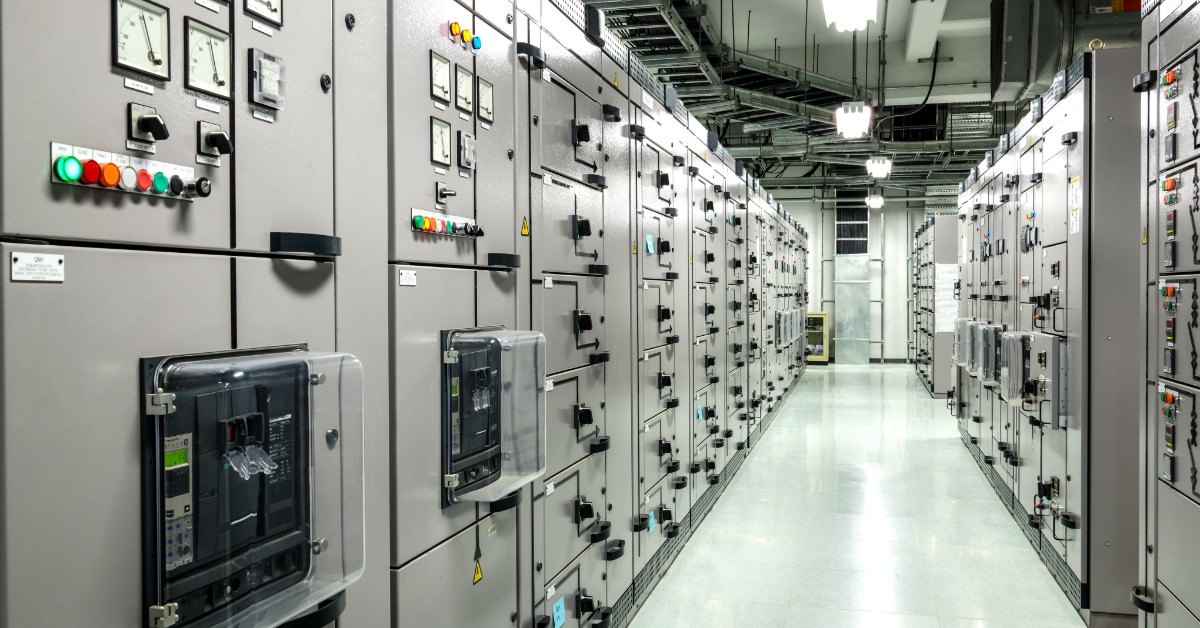
Modern commercial and industrial equipment often requires more power than older electrical infrastructure can provide. As your business introduces new machinery, the existing system may struggle to accommodate additional demand. These limitations can delay equipment installation and affect operational efficiency.
Working with professionals in electrical system design can help you assess your facility’s current capacity and determine necessary improvements. Electrical specialists can evaluate your infrastructure and develop solutions that accommodate new equipment. Their expertise also helps you prepare for future operational changes without unnecessary modifications.
Frequent Voltage Fluctuations
Stable electrical power supports the consistent performance of commercial machinery and sensitive electronic equipment. When voltage levels fluctuate unexpectedly, equipment may malfunction or experience premature wear. These disturbances can interrupt production and create additional maintenance concerns.
Voltage fluctuations may originate from overloaded circuits or inadequate electrical distribution infrastructure. Problems within the external utility network can also affect power quality. A professional electrical assessment can identify the source and determine whether infrastructure modifications are necessary.
Excessive Heat Around Electrical Equipment
Electrical components naturally generate some heat, but unusually high temperatures can indicate serious problems. Loose connections or overloaded circuits may cause excessive heat within panels and distribution equipment. Without prompt attention, these conditions can increase the risk of electrical fires.
Pay attention to unusual warmth around electrical panels and outlets. Qualified electricians can use specialized diagnostic equipment to identify abnormal temperature patterns. If inspections reveal widespread deterioration, an electrical upgrade may provide a more dependable solution than repeated repairs.
Unexpected Increases in Electrical Costs
A noticeable increase in electricity expenses deserves attention when your facility’s operational demands remain relatively consistent. Inefficient electrical equipment or distribution problems may contribute to unnecessary energy consumption. Over time, these expenses can place additional pressure on your operational budget.
Higher utility bills do not always indicate electrical infrastructure problems. Changes in energy rates and production schedules can also affect monthly expenses. A professional energy assessment can identify the actual cause and determine whether electrical improvements would make a measurable difference.
Limited Electrical Capacity for Facility Expansion
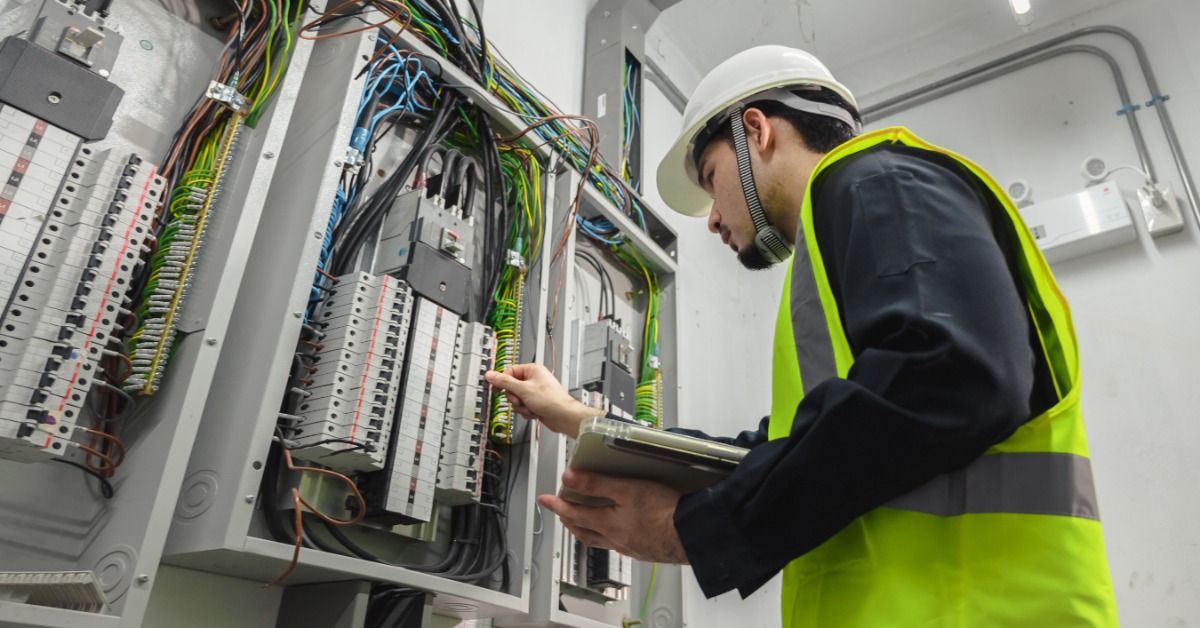
Facility expansion often introduces electrical demands that existing infrastructure cannot accommodate without modifications. New machinery may require more power than the original system. Without adequate capacity, expansion projects may face unexpected expenses and operational delays.
Before you expand your facility, evaluate whether your electrical infrastructure can support the proposed changes. A professional assessment can identify limitations that deserve attention before construction or equipment installation begins. Consider how these factors may affect your electrical requirements:
- New machinery: Additional equipment may require dedicated circuits or greater electrical capacity.
- Production expansion: Higher output can increase the demand placed on your electrical infrastructure.
- Facility modifications: New work areas may require changes to electrical distribution.
- Future equipment needs: Planned upgrades may affect the capacity your facility requires.
Frequent Electrical Repairs and Maintenance
Every electrical system requires routine maintenance, but repeated failures may indicate a larger infrastructure problem. One of the main signs it’s time to upgrade your facility’s electrical system is when technicians frequently repair the same components; temporary solutions may no longer provide dependable results. Maintenance expenses can increase as electrical equipment continues to deteriorate.
Review your facility’s maintenance history to identify recurring problems. Frequent service calls may reveal underlying issues with electrical capacity or component condition. In some cases, a planned upgrade offers a more practical alternative to continued repairs.
Electrical Systems That No Longer Meet Safety Standards
Electrical safety requirements evolve as commercial facilities adopt new technologies and equipment. Older installations may not meet every current standard, although compliant existing systems do not automatically require replacement. Significant modifications or identified hazards can create additional compliance requirements.
A qualified electrical professional can evaluate your infrastructure against applicable codes and determine whether corrective work is necessary. This assessment can reveal deficiencies that require attention before additional facility modifications. Addressing confirmed hazards helps protect employees and maintain a dependable operational environment.
Your facility’s electrical infrastructure plays an essential role in daily operations. When electrical problems become more frequent, temporary repairs may no longer address the underlying issues. Recognizing these warning signs allows you to act before minor concerns develop into expensive disruptions.
At ICAD Automation, we understand the importance of reliable electrical systems for commercial and industrial facilities. Our team can help you evaluate your electrical infrastructure, identify areas that require improvement, and develop solutions tailored to your operational needs. Whether your facility requires electrical system upgrades or a more comprehensive design, ICAD Automation can help you move forward with confidence
