

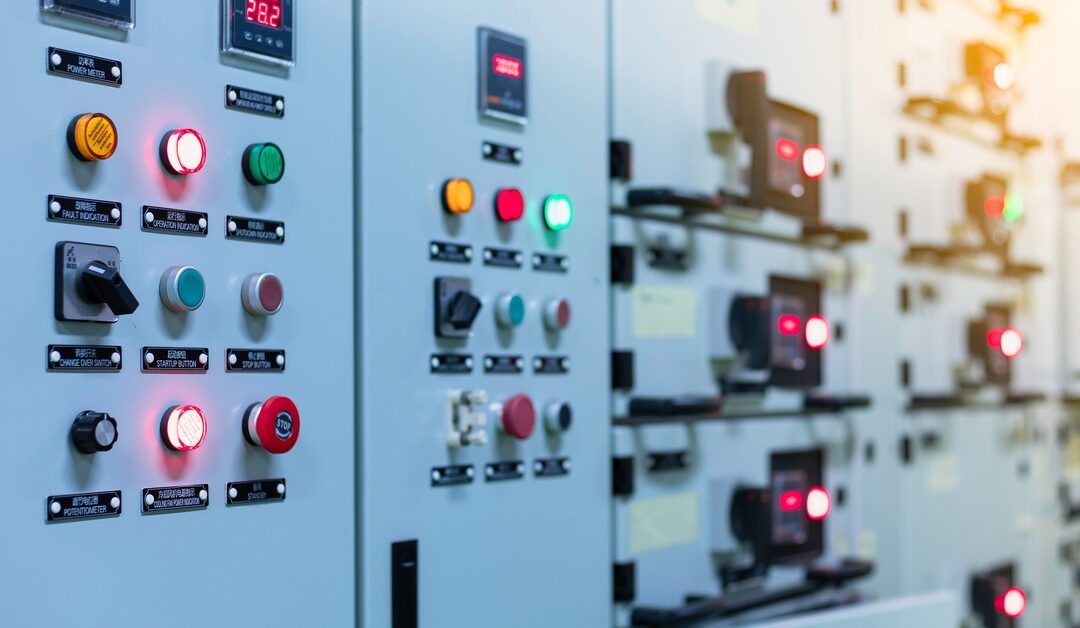

Industrial control panel design demands precision, clarity, and a deep understanding of system requirements within modern operational environments. Engineers must balance safety and regulatory compliance while ensuring each component works in harmony with the overall system. This process requires thoughtful planning, including attention to detail, to achieve reliable and efficient performance.
Effective panel design also reflects a commitment to durability and adaptability in demanding industrial conditions across various sectors and applications. Designers must consider electrical loads, environmental exposure, and user interaction while maintaining a clear structure that supports maintenance and future upgrades. With these things to consider for an industrial control panel design, you will support operational stability and reduce downtime through informed design decisions.
Understanding System Requirements
A clear definition of system requirements establishes a strong foundation for effective industrial control panel design across varied applications and environments. Designers must evaluate load demands, operational objectives, and integration needs before selecting components or arranging layout structures within the panel. This clarity ensures alignment between engineering goals and practical performance expectations throughout the lifecycle of the control system.
Accurate requirement analysis reduces design errors and supports efficient communication among engineering teams and stakeholders during project development phases. Each decision must reflect system priorities such as scalability and compliance with relevant safety and performance standards. Thorough documentation of requirements also helps maintain consistency across revisions and future system expansions.
Component Selection and Compatibility
Component selection determines performance reliability and influences how well the control panel operates under varying industrial conditions and demands. Engineers must verify compatibility among devices such as relays, breakers, and controllers to prevent malfunction or unexpected system behavior. Each selected component must meet the required ratings and align with the operational constraints defined during the planning stages.
Compatibility extends beyond electrical characteristics and includes physical dimensions, mounting requirements, and thermal performance within the enclosure space. Designers must ensure that components integrate seamlessly without interference or overcrowding that could compromise safety or maintenance access. Proper selection supports reliability and minimizes the need for frequent replacements or adjustments.
Panel Layout and Space Optimization
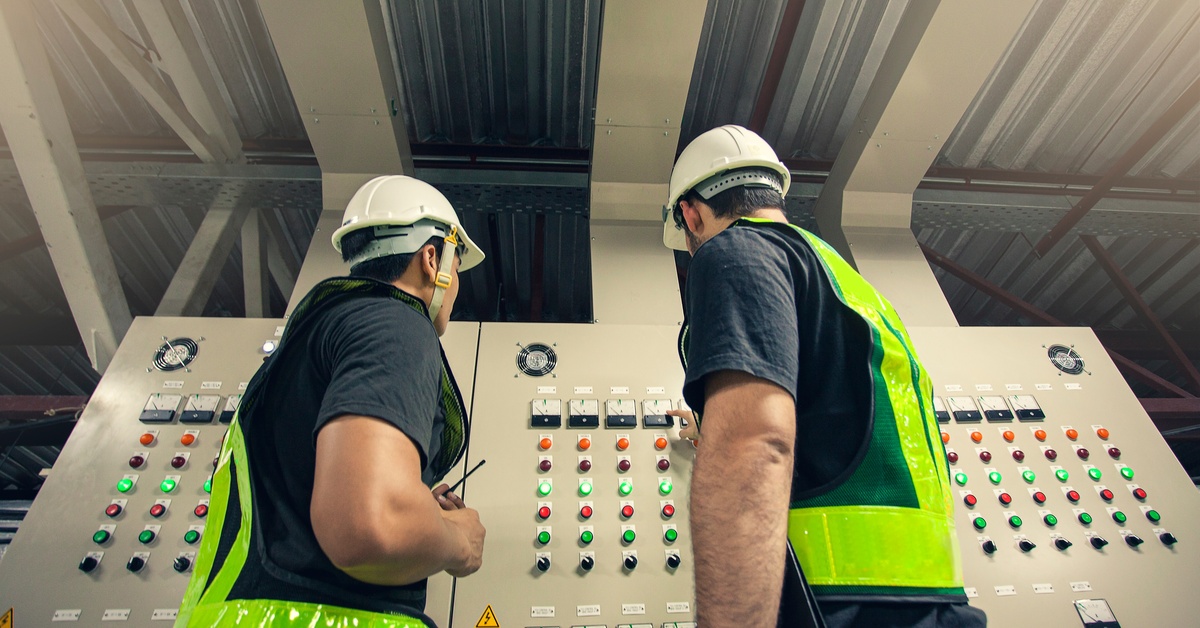
A well-organized layout enhances accessibility, improves safety, and ensures efficient use of available space within the control panel enclosure. Designers must arrange components logically to allow clear wiring paths and straightforward troubleshooting during maintenance or inspection procedures. Proper spacing between elements prevents overheating and reduces the risk of electrical faults due to contact or interference.
Space optimization requires careful planning to accommodate current components and allow room for future expansion or upgrades without major redesign efforts. Engineers must balance compact design with accessibility to maintain ease of service while maximizing functional efficiency. A thoughtful layout contributes to both operational reliability and long-term system adaptability.
Compliance with Safety Standards
One of the main things to consider for industrial control panel design is compliance with established safety standards, which ensures that control panels meet regulatory requirements. Designers must adhere to guidelines that define construction methods, component ratings, and testing procedures for industrial electrical systems. These standards provide a framework that promotes consistency and reliability across installations.
Adhering to safety standards also enhances credibility and reduces liability risks associated with system failures or accidents in industrial settings. Engineers must stay informed about updates to regulations and incorporate necessary changes into design practices. A commitment to compliance supports safe and dependable system performance.
Environmental Considerations
Environmental conditions such as humidity, dust, and chemical exposure significantly influence control panel design decisions in industrial applications. Designers must select enclosures and materials that resist corrosion and protect internal components from external contaminants and harsh operating conditions. Proper sealing and protective coatings enhance durability and extend system lifespan.
Location-specific factors require careful evaluation to ensure that the panel performs reliably under expected environmental stresses throughout its operational life. Engineers must consider indoor and outdoor placement, exposure to extreme temperatures, and potential mechanical impact risks. Thoughtful environmental design safeguards system integrity and reliability.
Accessibility and Maintenance Planning

Ease of access within the control panel supports efficient maintenance and reduces downtime during inspections or repair procedures in industrial environments. Designers must ensure that components remain reachable without difficulty and that clear labeling aids quick identification during service tasks. A user-friendly design improves operational efficiency and reduces the likelihood of maintenance errors.
Maintenance planning also involves anticipating future service needs and providing adequate space for technicians to perform tasks safely and effectively. Engineers must consider tool access, component replacement procedures, and documentation availability during the design phase. This approach ensures smooth operation and simplifies ongoing system management.
Integration of Certified Panel Standards
Certified panel standards provide a structured framework that ensures consistent quality, safety, and performance in industrial control panel design processes. Engineers must align their designs with recognized certification requirements to meet industry expectations and regulatory demands. This alignment supports uniform construction practices and simplifies approval processes.
With the help of UL 508a control industrial panels, you can achieve standardized design practices that enhance safety, simplify compliance, and improve system reliability across applications. These certified approaches ensure that panels meet strict performance criteria and reduce uncertainty during inspections or audits. Integration of certified standards strengthens confidence in system design and operational consistency.
Documentation and Labeling Practices
Clear documentation provides essential information that supports the installation, operation, and maintenance of industrial control panels across various applications. Designers must create accurate schematics with wiring diagrams and component lists that reflect the final system configuration. Comprehensive records ensure that technicians understand system functionality and can address issues efficiently.
Consistent labeling within the panel enhances clarity and reduces confusion during troubleshooting or upgrades in complex electrical systems. Engineers must use standardized labeling methods that align with documentation and regulatory expectations. Effective documentation and labeling contribute to operational accuracy and system reliability.
Quality Assurance and Testing
Quality assurance processes verify that the control panel meets design specifications and performs reliably under expected operating conditions before deployment. Engineers must conduct thorough testing procedures that evaluate electrical performance and system functionality. These tests help identify potential issues and ensure that corrective actions occur before installation.
Testing also provides confidence in system performance and supports compliance with industry standards and customer expectations for reliability. Designers must document test results and maintain records that demonstrate adherence to required specifications. Strong quality assurance practices reinforce trust in the final product.
Industrial control panel design requires a disciplined approach that integrates technical knowledge, safety awareness, and practical considerations across all stages of development. Each aspect, from component selection to documentation, ensures that the final system operates reliably and efficiently. Attention to detail and adherence to standards create a foundation for long-lasting performance in demanding industrial environments.
Engineers who consider every factor carefully can create systems that meet present needs while allowing for future growth and adaptation. This balanced approach ensures dependable operation and sustained value across diverse industrial applications.