

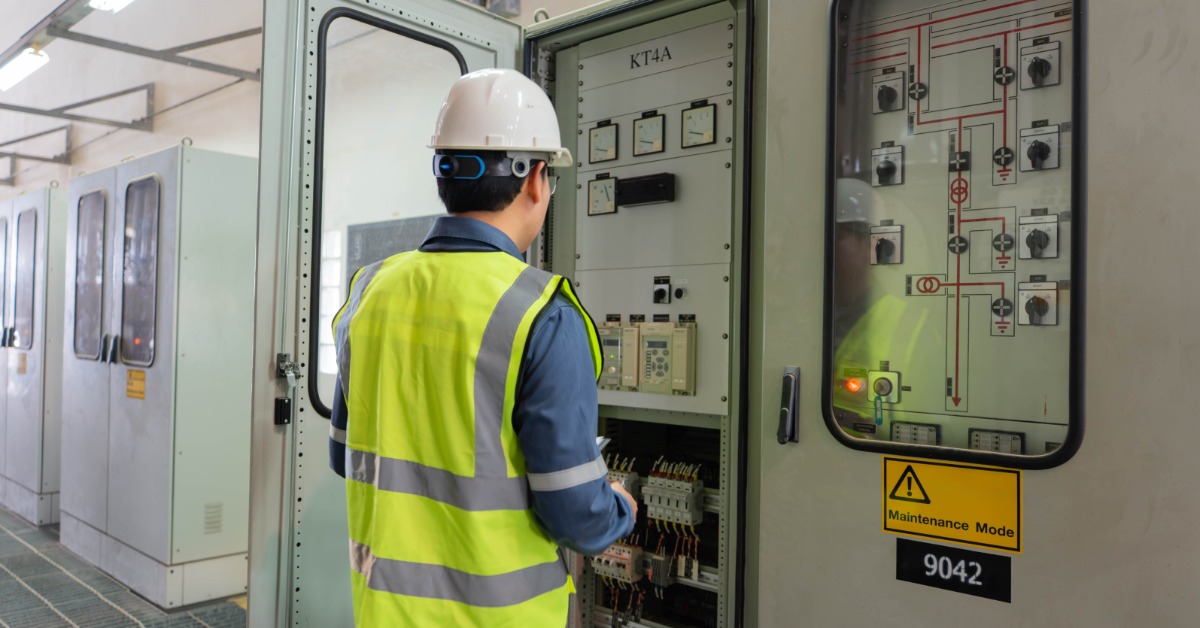
Design of electrical panels for harsh environments demands careful thought, precise planning, and disciplined execution across every phase of development. Engineers must address exposure to dust and temperature extremes that threaten the reliability of electrical systems. A strong design approach reduces maintenance needs and protects equipment investment across demanding industrial installations.
Environmental stress affects materials and protective measures, which must align with operational needs and compliance standards across industries. Engineers often face strict requirements that demand innovative solutions without compromise in safety and efficiency. These tips for designing electrical panels for harsh environments offer solutions for structured decisions and informed engineering practices.
Material Selection for Durability
Material choice defines panel resilience under stress and supports long service life across harsh environments with constant exposure risks present. Metals with corrosion resistance, such as stainless steel, perform well in marine or chemical settings with aggressive environmental conditions present. Nonmetallic enclosures provide insulation benefits and resist certain chemicals, though they require validation against structural demands and temperature variations expected.
Protective coatings extend material life and reduce corrosion risk across installations exposed to moisture and industrial pollutants each day. Powder coating offers uniform coverage and strong adhesion that supports resistance against abrasion and environmental damage across various conditions encountered. Surface treatment must align with expected exposure type and duration to ensure performance meets project specifications without premature material degradation.
Effective Sealing Techniques
Sealing methods protect internal components from water, dust, and contaminants that compromise electrical function and safety across exposed installations in harsh environments. Gaskets made from durable elastomers create tight seals that prevent ingress under pressure changes and mechanical stress conditions across varied operational demands. Proper gasket compression ensures effective sealing without deformation that may lead to leaks or reduced protective performance over time.
Ingress protection ratings define enclosure capability against environmental elements and guide selection based on site conditions and operational risks present. Engineers must evaluate rating requirements carefully to match exposure levels and ensure compliance with applicable standards across industries and regions. Seal integrity testing verifies performance and supports confidence in panel reliability under demanding field conditions where failure may cause costly downtime.
Electrical Safety Considerations
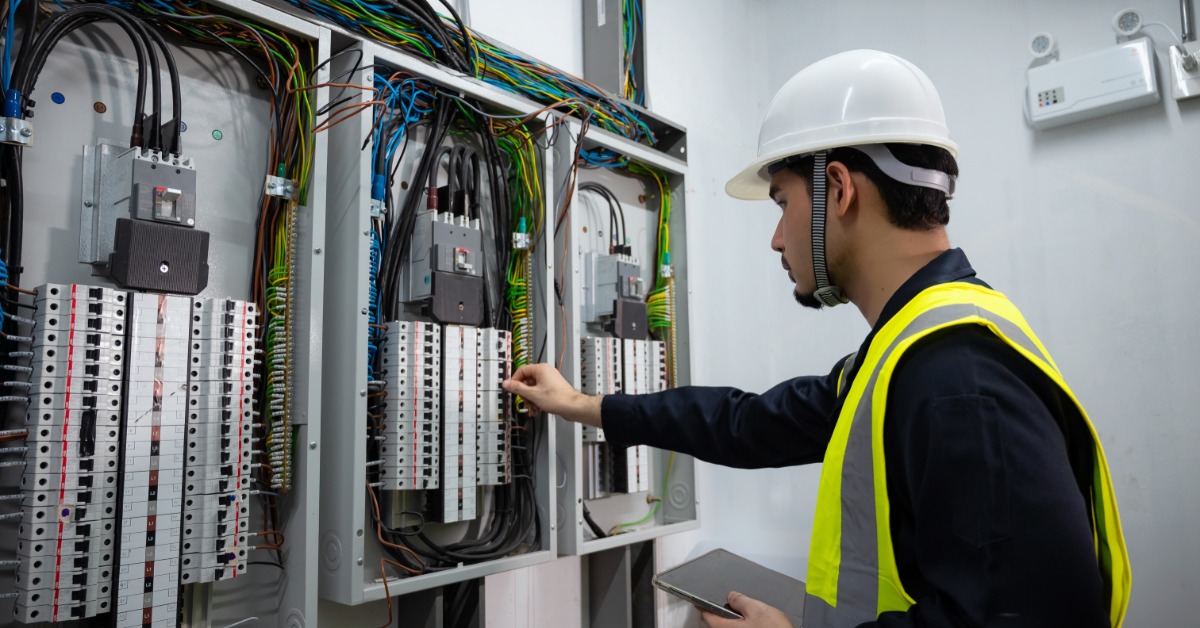
Safety remains a primary concern in electrical panel design, especially in environments with high-risk factors that increase potential hazards for personnel. Insulation and protective devices reduce the risk of electrical faults and ensure compliance with safety standards across industries and regulatory frameworks. Proper labeling and clear identification of components support safe operation and maintenance activities within electrical systems exposed to harsh conditions.
Fault detection systems provide early warning of issues that may lead to equipment damage or safety incidents. Engineers must integrate protective devices that isolate faults and prevent escalation that could compromise system stability or personnel safety. Safety design must address all potential hazards to ensure reliable operation and protection of both equipment and users in demanding environments.
Thermal Management Strategies
Temperature control ensures electrical components operate within safe limits and prevents overheating that may cause failure or reduced system’s lifespan. Heat buildup occurs due to internal power dissipation and external environmental factors that raise enclosure temperature beyond acceptable thresholds during operation. Ventilation, heat exchangers, and cooling units provide solutions that maintain thermal balance and protect sensitive equipment inside electrical panels.
Component placement influences airflow and heat distribution within the enclosure, which affects the efficiency of cooling measures and overall system stability. Designers must consider spacing and orientation to avoid hotspots that reduce performance or increase wear on components over extended operational periods. Thermal analysis tools support design validation and help engineers optimize cooling strategies for reliable panel operation under harsh environmental conditions.
Robust Mechanical Design
Mechanical strength ensures panels withstand vibration and physical stress common in industrial environments, where stability remains essential. Reinforced structures and secure mounting systems prevent damage to internal components and maintain alignment during operation under harsh mechanical conditions. Fasteners must resist loosening under vibration and maintain integrity across repeated stress cycles experienced during equipment use.
Internal component support reduces movement and protects connections that may fail under constant vibration or mechanical disturbance during operation. Designers must evaluate load distribution and structural reinforcement to ensure durability across expected mechanical stresses. Testing under simulated conditions validates mechanical performance and supports confidence in long term reliability of electrical panel systems.
Cable Management Solutions

Cable organization supports reliability and simplifies maintenance across electrical panels exposed to harsh conditions where access may remain limited or difficult. Structured routing prevents damage from abrasion or mechanical stress and ensures cables maintain integrity during operation under demanding environmental factors present. Secure fastening systems keep cables in place and reduce movement that may lead to wear or connection issues over time.
Proper spacing between cables reduces heat buildup and prevents interference that may affect signal quality or system performance in sensitive applications. Cable selection must align with environmental exposure to ensure insulation resists temperature and chemical effects encountered during operation. Thoughtful cable management enhances durability and supports efficient troubleshooting when maintenance becomes necessary in complex electrical systems.
Maintenance and Accessibility Planning
Design must support ease of maintenance to ensure panels remain functional and safe throughout their service life in challenging environments with limited access. Accessible layouts allow technicians to perform inspections and repairs without excessive effort or risk, which improves efficiency and reduces downtime during maintenance tasks. Clear organization of components supports faster troubleshooting and minimizes disruption to operations when service becomes necessary.
Service intervals depend on environmental exposure and operational demands that influence wear and degradation of components within electrical panels over time. Designers must consider maintenance needs during development to ensure accessibility and reduce complexity during routine service activities across installations. With the proper electrical system design, you can achieve safety and efficiency even under extreme environmental conditions without compromise.
Compliance with Industry Standards
Standards define requirements for safety and environmental protection that guide electrical panel design across industries, with strict regulatory expectations enforced. Compliance ensures equipment meets legal requirements and supports interoperability across systems used in diverse operational settings with varying environmental conditions. Engineers must stay informed about applicable standards and integrate them into design processes to avoid compliance issues or operational risks.
Certification processes validate adherence to standards and ensure that equipment meets expected performance and safety criteria consistently. Documentation supports verification and enables traceability across design and installation phases within project execution workflows. Compliance efforts strengthen reliability and build trust in electrical systems deployed within harsh environments across various industrial applications.
Designing electrical panels for harsh environments requires a comprehensive approach that addresses material selection, protection methods, and operational demands across diverse conditions. Each design decision influences system performance and durability, which makes careful planning essential for successful deployment in challenging settings.
Attention to detail and adherence to proven practices support strong outcomes and minimize the risk of failure during operation in harsh conditions. Through disciplined engineering and thoughtful design choices, electrical panels can perform consistently and safely across even the most challenging environments.
