
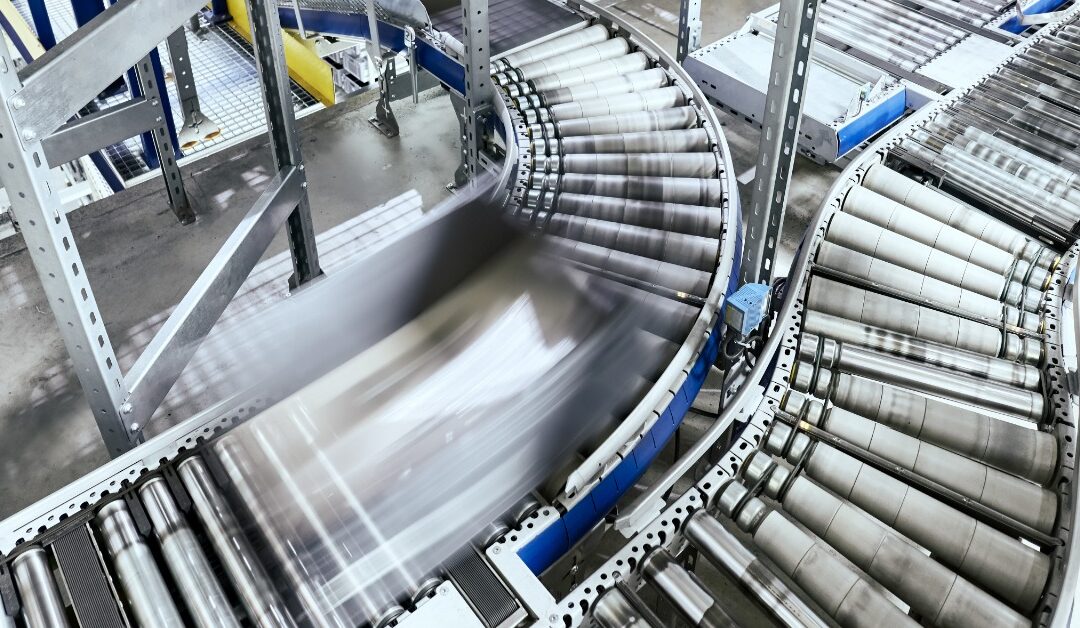
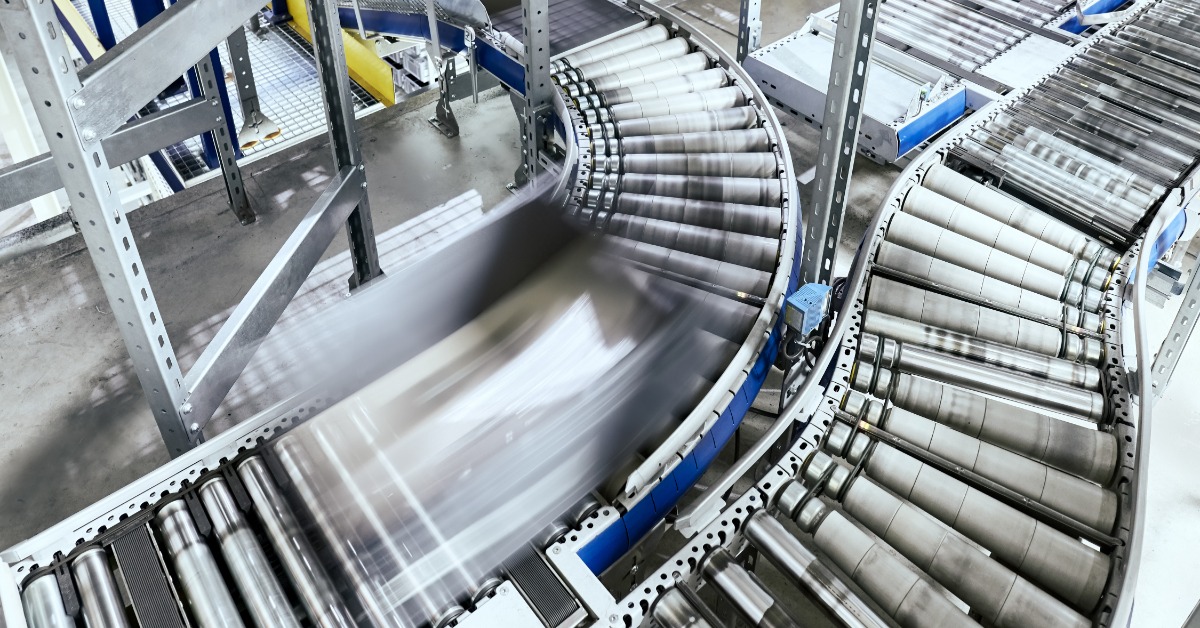
Industrial automation has changed how manufacturers control production and maintain dependable operations across increasingly complex facilities. Instead of relying on constant manual input, plants can use automated controls to direct equipment and respond to changing process conditions. This approach creates a production environment where technology supports skilled personnel and gives them clearer control over daily operations.
The types of industrial automation in manufacturing vary considerably because every production environment has different demands. A facility built around standardized production may require a different automation structure from one that regularly adapts its processes. Understanding these differences helps manufacturers choose technology that addresses actual production needs without creating unnecessary complexity.
Fixed Automation Supports Repeatable Production
Fixed automation focuses on production processes that remain consistent across extended periods. Machines complete predetermined actions with limited changes between production cycles, making the approach suitable for facilities with stable production requirements. Equipment serves a defined purpose and follows controls established specifically around the demands of that process.
This structure makes sense when production volumes justify dedicated automated equipment. Major process changes can require considerable adjustments because the original system developed around a specific sequence. Manufacturers should consider how stable future production requirements may remain before committing substantial resources to highly specialized fixed automation.
Programmable Automation Adapts to Production Changes
Manufacturing requirements do not always remain consistent, making programmable automation valuable when production must adapt. Technical personnel can revise control programs whenever a product or process requires different machine actions. Existing equipment can remain in place as the control logic changes to support new production requirements.
Programmable logic controllers often provide the foundation for these automated systems. A PLC receives information from connected equipment and evaluates programmed instructions before determining how the system should respond. This adaptability allows manufacturers to modify production sequences without completely rebuilding the physical equipment used across the process.
Flexible Automation Supports Product Variety
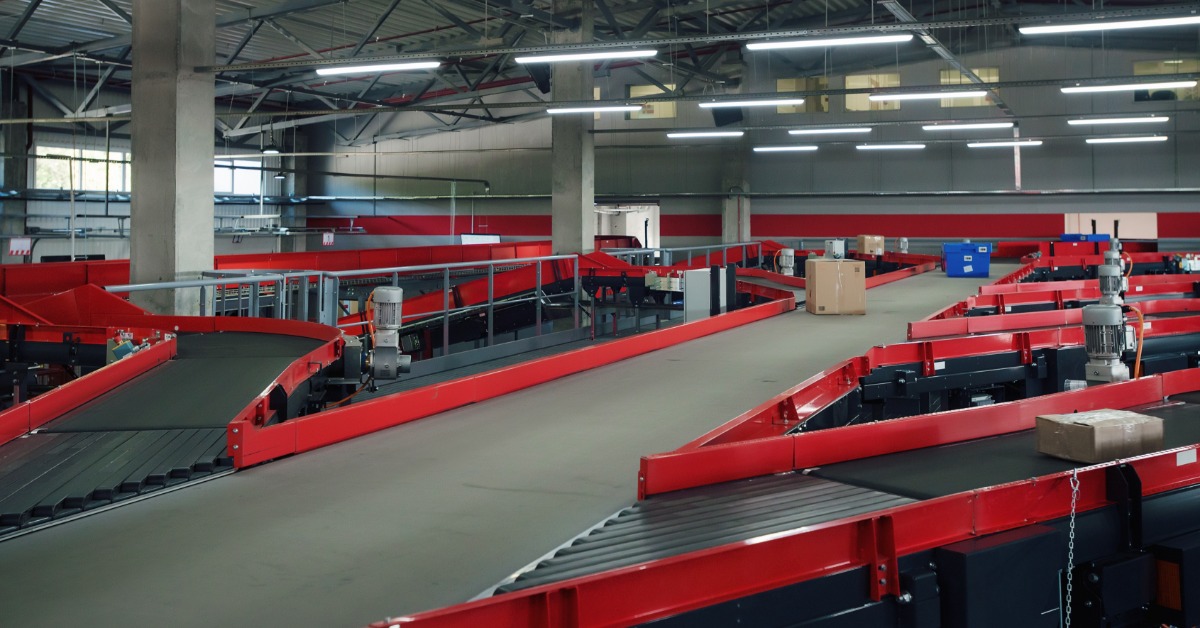
Flexible automation provides greater adaptability when manufacturers regularly move between different products. Rather than requiring extensive equipment changes, the control system can respond to predefined requirements associated with the product currently in production. This approach allows facilities to use existing equipment effectively even when production demands change frequently.
Successful flexible automation depends on strong communication throughout the production environment. Information passes through the control system and allows connected equipment to respond according to current process requirements. Manufacturers can adjust operations without constructing an entirely separate production system whenever another product enters the facility.
Integrated Automation Connects the Facility
Automated machines can perform effectively on their own, but isolated equipment can limit control across a larger production environment. Integrated automation connects separate systems through an architecture that allows essential information to move throughout the facility. Plant personnel gain a broader view of production because useful process information no longer remains confined to individual machines.
With the right industrial controls and automation design, companies can create stronger connections between production equipment and the people responsible for operations. Effective integration depends on a clear understanding of how existing systems operate and how information must move throughout the facility.
PLC Automation Directs Equipment Responses
Programmable logic controllers provide the decision control behind many automated industrial processes. These controllers receive information from field equipment and evaluate programmed logic before issuing the appropriate response. Their rapid reactions allow machines to follow precise sequences even when production conditions unexpectedly change.
A PLC can control a small machine or support a much larger industrial process. Technical personnel can revise its program when production requirements evolve without necessarily replacing the physical equipment already in service. This flexibility makes PLC technology suitable for facilities that expect their control requirements to change as production develops.
HMI Systems Strengthen Operator Control
Industrial automation still requires a clear connection between equipment and the people responsible for production. Human-machine interfaces give operators a visual environment where they can understand what occurs inside an automated process. Relevant information becomes easier to interpret because personnel do not need to inspect every field device individually.
Effective interface design keeps attention focused on information that matters during actual production. Operators can respond to system conditions through a centralized interface instead of relying exclusively on physical access to individual equipment. A clear HMI also makes complex automated systems easier for authorized personnel to supervise during routine production and unexpected process events.
SCADA Automation Expands Plant Visibility
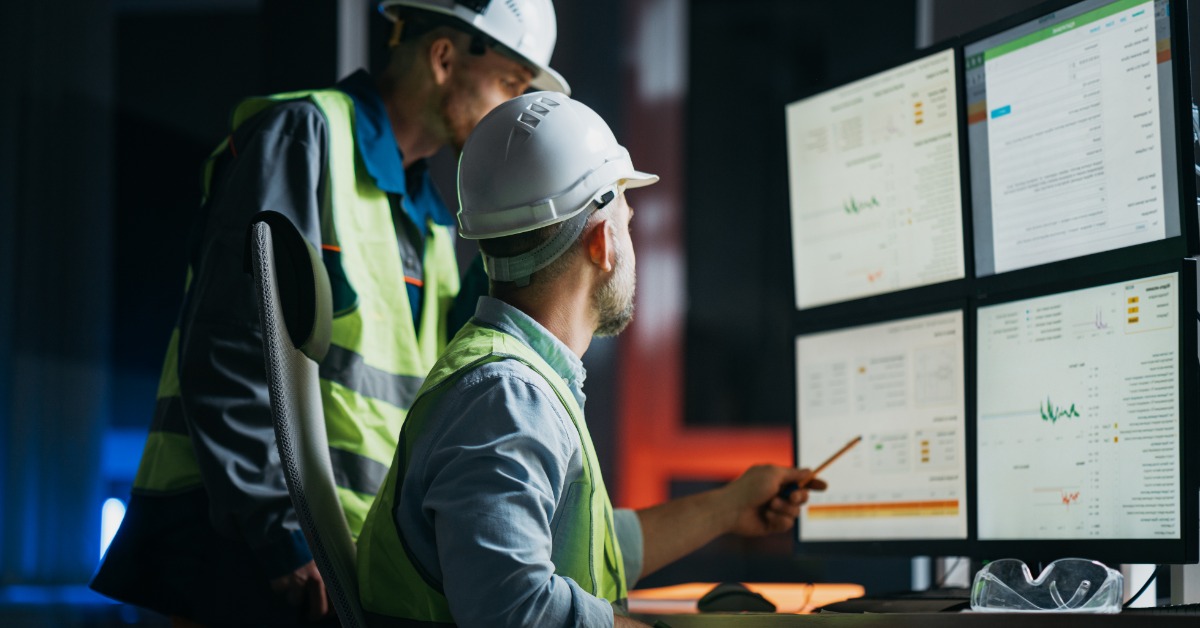
Larger production environments often require visibility beyond what individual machine interfaces can provide. SCADA technology gathers information from automated processes and presents it through a centralized system where authorized personnel can review current conditions.
SCADA technology can also preserve information about how industrial processes behaved over time. Technical personnel can use that context when they need to understand unexpected changes or investigate unusual equipment behavior. Access to historical process information gives teams a clearer picture of events that may not remain visible through current machine conditions.
Process Automation Maintains Stable Operations
Some industrial processes change constantly and require controls capable of responding as operating conditions shift. Process automation monitors those conditions and allows equipment to react according to parameters established for the specific production environment. The system continually evaluates information before determining whether a response from connected equipment is necessary.
This form of automation becomes valuable where minor process changes can affect production performance. Accurate controls help equipment respond according to actual conditions rather than depend entirely on manual intervention from plant personnel. The result is a process that can react consistently when operating conditions move outside established parameters.
Control Panels Support Automated Equipment
Every automated system requires electrical hardware that connects control technology with production equipment. Industrial control panels provide a centralized enclosure where this hardware can support the operation of machines and larger production systems. Their design must reflect the demands of the equipment rather than rely on a universal configuration.
Specialized industrial processes may require a custom approach when standard control equipment cannot adequately support the application. A properly designed panel creates a practical electrical foundation around the needs of the production system. Careful panel design also makes it easier to establish organized connections between control hardware and the equipment it manages.
Connected Automation Improves Process Awareness
Modern automated equipment can provide valuable information about what occurs throughout production. Connected control systems allow relevant data to move beyond individual machines and become accessible where plant personnel can use it effectively. Greater visibility gives technical teams a clearer picture of how equipment responds as production conditions change.
Connectivity must remain carefully controlled because dependable production cannot rely on unrestricted system access. Industrial communication architecture should provide useful information without creating unnecessary risks for equipment or essential control systems. A thoughtful approach allows manufacturers to gain greater process awareness without sacrificing control over important production technology.
Industrial automation reaches far beyond machines that operate without direct human intervention. Modern manufacturing depends on control technology that connects equipment with people and allows complex production processes to respond effectively to operational demands. Different types of industrial automation in manufacturing help establish a control structure that reflects the actual needs of individual facilities.
A successful automation strategy begins with a clear understanding of the production process and the technology required to support it. ICAD Automation can help manufacturers develop industrial control solutions that connect equipment with dependable systems designed around real operational requirements. With professional support, facilities can create an automation approach that remains practical, responsive, and appropriate for their production environment.
